
What Does MOT Stand For?
MOT stands for Ministry of Transport. Learn what an MOT test is, what it checks, when your car needs one and why it is not the same as a service.
What Does MOT Stand For?
MOT stands for Ministry of Transport.
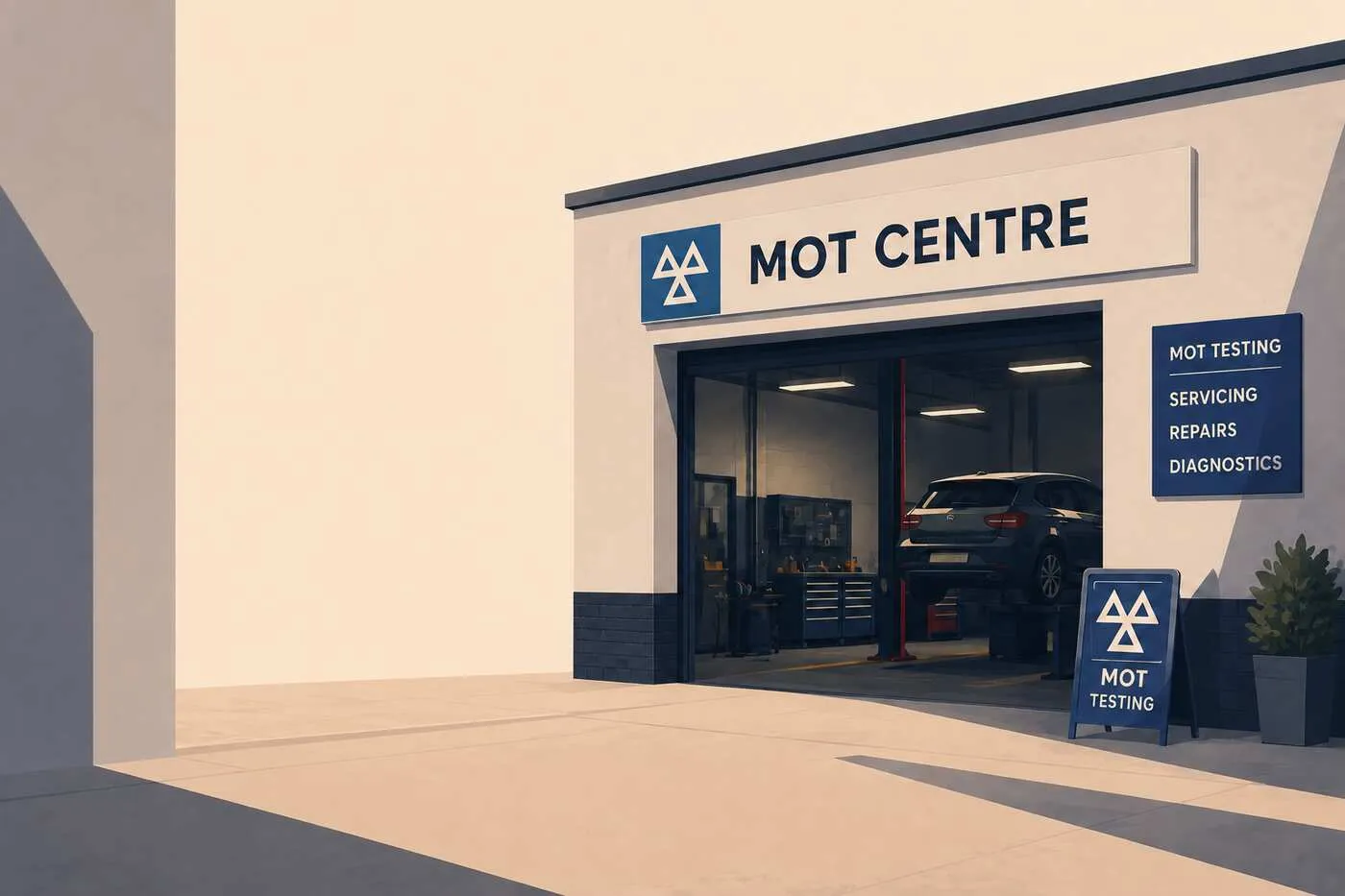
The name comes from the old government department originally linked to the vehicle test. The department has changed over time, but the name stayed. Today, when people say “MOT”, they usually mean the annual roadworthiness and emissions test required for most cars once they are old enough.
In simple terms, an MOT checks whether your vehicle meets minimum safety and environmental standards at the time of the test. It is not the same as a service, and it does not prove the car will stay safe or fault-free for the next 12 months.
This guide explains what MOT stands for, why the name is still used, what the test checks, what it does not check, and why MOT history matters when buying or maintaining a car.
Quick Answer: What Does MOT Stand For?
MOT stands for Ministry of Transport. The MOT test is a legal roadworthiness and emissions test for most vehicles once they are old enough to need one. It checks whether a vehicle meets minimum safety and environmental standards at the time of the test.
Why Is It Called an MOT?
It is called an MOT because the test takes its name from the Ministry of Transport.
The Ministry of Transport was the government department associated with vehicle roadworthiness testing when the test was introduced. Although the modern system is now handled through DVSA and approved MOT test centres, the old name has remained in everyday use.
That is why drivers still say:
- “My car needs an MOT.”
- “It failed its MOT.”
- “When is my MOT due?”
- “Has it got a valid MOT?”
- “I need to book an MOT.”
Nobody says, “I’m taking the car for its annual statutory roadworthiness and environmental compliance inspection.”
Thankfully.
What Is an MOT Test?
An MOT test checks whether a vehicle meets minimum legal safety and environmental standards.
For most cars, the test includes checks on areas such as:
- Lights
- Brakes
- Tyres
- Steering
- Suspension
- Seat belts
- Windscreen
- Wipers
- Washers
- Mirrors
- Horn
- Number plates
- Exhaust
- Emissions
- Body structure
- Fuel system
- Certain dashboard warning lights
The MOT is designed to identify safety and environmental problems. It is not designed to tell you whether the car is perfect.
A car can pass its MOT and still need a service, tyres soon, brake pads soon, a clutch, gearbox work, diagnostic checks or general maintenance.
The MOT is the legal minimum line. It is not a full health report.
Is an MOT the Same as a Service?
No. An MOT is not the same as a service.
An MOT is a legal test. A service is maintenance.
| MOT | Service |
|---|---|
| Checks minimum safety and emissions standards | Maintains the car |
| Required by law for most cars once old enough | Recommended by the manufacturer schedule |
| Pass or fail result | No legal pass/fail certificate |
| Does not replace oil and filters | Often includes oil and filter changes |
| Does not check full engine health | Can include broader mechanical checks |
| Focuses on roadworthiness | Focuses on reliability and longevity |
You need both. The MOT checks whether the car meets the required standard at the time of the test. Servicing helps keep the car reliable between tests.
Skipping servicing because the car passed its MOT is like skipping dental hygiene because you still have teeth. Technically true. Not wise.
What Does an MOT Not Check?
An MOT does not check the general condition of the engine, clutch or gearbox.
It also does not usually include:
- Oil and filter change
- Air filter replacement
- Spark plug replacement
- Timing belt inspection
- Full clutch inspection
- Full gearbox inspection
- Full diagnostic scan
- Wheel alignment
- Air conditioning service
- Full battery health test
- Manufacturer service schedule checks
This is one of the biggest misunderstandings about MOTs.
A valid MOT does not mean the car has been serviced. It does not mean the engine is healthy. It does not mean the clutch has plenty of life left. It means the vehicle met MOT standards at the time of the test.
When Does a Car Need an MOT?
Most cars need their first MOT by the third anniversary of registration, then every year after that.
For example:
| First Registered | First MOT Due |
|---|---|
| 10 March 2024 | 10 March 2027 |
| 1 July 2025 | 1 July 2028 |
| 20 November 2026 | 20 November 2029 |
After the first MOT, the vehicle usually needs another MOT every year.
Some vehicles have different rules depending on type, use or age, so check the official guidance if your vehicle is not a normal private car.
How Long Does an MOT Last?
An MOT normally lasts for one year.
You can get an MOT up to one month minus a day before it expires and keep the same renewal date.
For example, if your MOT expires on 15 May, the earliest you can test it and keep the same renewal date is 16 April.
If you test earlier than that, the new expiry date will usually change to one year minus a day from the date the vehicle passed.
What Happens If a Car Fails Its MOT?
A car fails its MOT if it has a major or dangerous defect.
MOT results can include:
| Result | Meaning |
|---|---|
| Pass | Vehicle met the MOT standard |
| Advisory | Something to monitor or repair in future |
| Minor | A defect with no significant safety or environmental effect |
| Major | A defect that may affect safety, the environment or other road users |
| Dangerous | A direct and immediate risk to safety or serious environmental impact |
Major and dangerous defects cause an MOT fail.
If the vehicle fails, the result is recorded in the MOT database and the defects need to be repaired before the car can pass.
If the failure includes a dangerous defect, do not drive the vehicle until it has been repaired.
What Does “Full MOT” Mean?
When a seller says a car has a “full MOT”, they usually mean it has close to 12 months left on its MOT.
That can be reassuring, but it does not prove the car is in excellent condition.
Check:
- When the MOT was done
- Whether it passed first time
- Whether it had advisories
- Whether it recently failed before passing
- What mileage was recorded
- Whether the same problems keep appearing
A car can have a fresh MOT and still have advisories. It can also have a fresh MOT after failing badly the week before.
“Full MOT” is useful. MOT history is more useful.
Why Does MOT History Matter?
MOT history can show how a car has been looked after over time.
Look for:
- Repeated advisories
- Recurring tyre issues
- Brake defects
- Suspension wear
- Corrosion warnings
- Emissions failures
- Mileage inconsistencies
- Dangerous defects
- Major defects
- Gaps in testing
One MOT result is a snapshot. MOT history is the timeline.
When buying a used car, the timeline matters more than the seller’s confidence.
If a car has failed repeatedly on basic maintenance items, that may suggest neglect. If it has clean results and consistent mileage, that is more reassuring.
MOT Meaning: Simple Summary
| Question | Answer |
|---|---|
| What does MOT stand for? | Ministry of Transport |
| What is an MOT? | A roadworthiness and emissions test |
| Who needs one? | Most cars once they are 3 years old |
| How often is it needed? | Usually every year |
| Is it a service? | No |
| Does it check the engine? | Not the general engine condition |
| Can a car pass with advisories? | Yes |
| Can you check MOT history online? | Yes |
Common MOT Myths
“MOT stands for Motor Official Test.”
No. MOT stands for Ministry of Transport.
“An MOT means the car has been serviced.”
No. An MOT is not a service.
“A valid MOT means the car is safe all year.”
No. It only means the vehicle met the standard at the time of the test.
“A car with a full MOT must be a good buy.”
Not always. Check advisories, failures, mileage and service history.
“The MOT checks the engine properly.”
No. The MOT does not check the general condition of the engine, clutch or gearbox.
FAQs
What does MOT stand for?
MOT stands for Ministry of Transport. The name comes from the old government department linked to the original vehicle test.
What is an MOT test?
An MOT is a roadworthiness and emissions test that checks whether a vehicle meets minimum legal safety and environmental standards at the time of the test.
Why is it called an MOT?
It is called an MOT because the original test was associated with the Ministry of Transport. The department changed over time, but the name MOT stayed.
Is an MOT the same as a service?
No. An MOT is a legal test. A service is maintenance and may include oil, filters, fluids and broader mechanical checks.
Does an MOT check the engine?
Not fully. The MOT does not check the general condition of the engine, clutch or gearbox, although emissions, leaks, warning lights and related items may be checked.
When does a car need its first MOT?
Most cars need their first MOT by the third anniversary of registration, then every year after that.
Can a car pass an MOT with advisories?
Yes. Advisories do not cause a fail, but they warn about issues that may need attention in future.
Can I check a car’s MOT history?
Yes. You can check MOT history online using the registration number, including previous passes, failures, advisories and mileage records.
Conclusion
MOT stands for Ministry of Transport. The name comes from the original government department linked to the vehicle test, but today it simply refers to the annual roadworthiness and emissions test required for most vehicles once they are old enough.
An MOT is important, but it is not a service and it is not a guarantee that a car is mechanically perfect. It checks whether the vehicle met minimum safety and environmental standards at the time of the test.
If you are buying, selling or maintaining a car, do not just ask whether it has an MOT. Check when it expires, whether it passed first time, what advisories were recorded and whether the same problems keep appearing. The meaning of MOT may be simple, but the history behind a car’s MOT can tell you a lot.