
What Mileage Is Good for a Used Car?
Find out what mileage is good for a used car in the UK, how to judge mileage by age, and why MOT history and service records matter.
What Mileage Is Good for a Used Car? A Complete UK Buyer's Guide
If you're wondering what mileage is good for a used car, the honest answer is slightly annoying but important: it depends.
Mileage matters, but it is not the whole story. A low-mileage car can be a superb buy. It can also be a neglected driveway ornament that has spent years doing nothing except growing flat spots on its tyres. Equally, a higher-mileage car with proper servicing, motorway use and a clean MOT history may be a better purchase than a low-mileage car that has only ever done short cold trips to the supermarket.
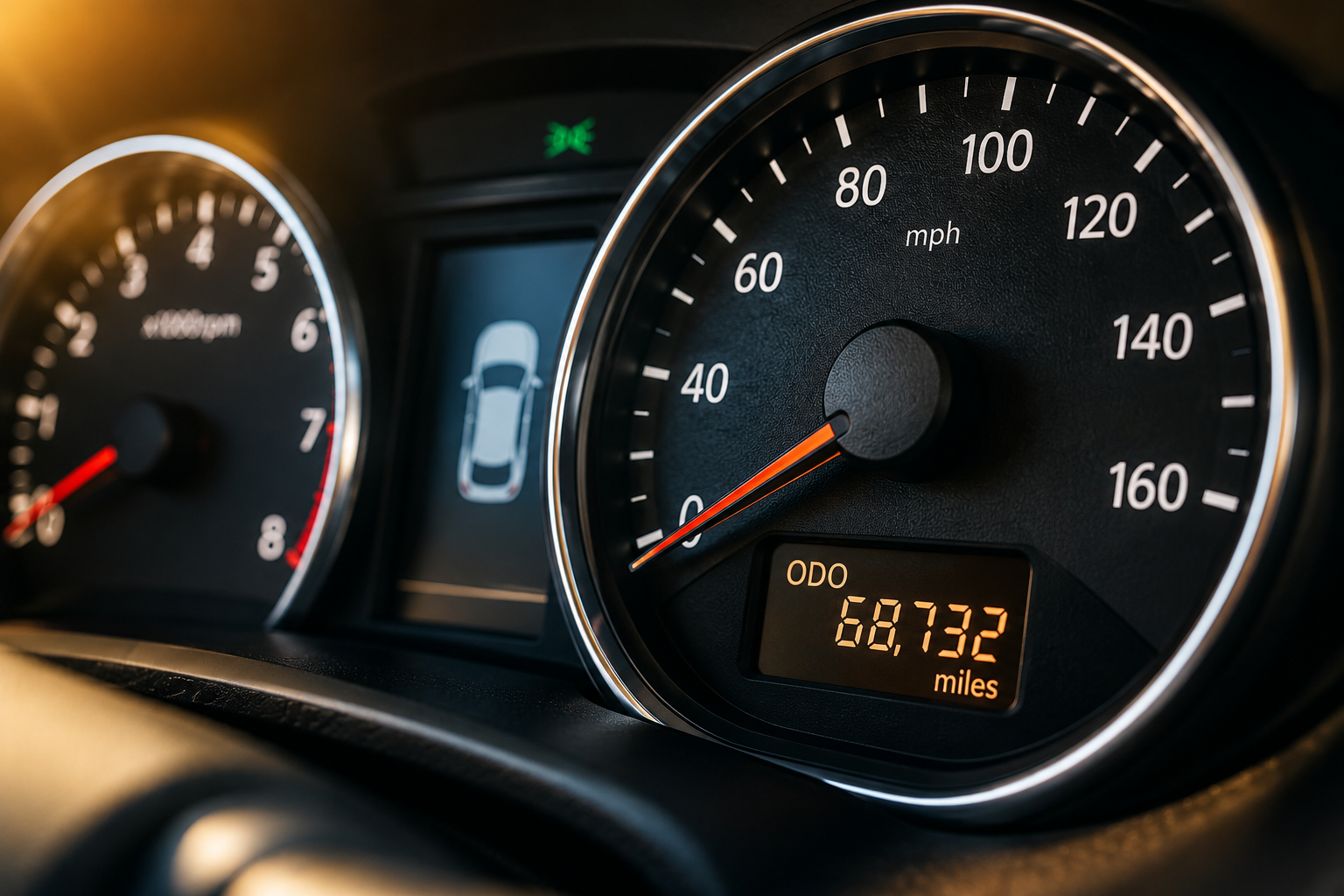
For UK buyers, a useful benchmark is around 7,000 miles per year. But mileage should always be judged alongside age, service history, MOT history, condition, ownership and how the car has been used.
Quick Answer: What Mileage Is Good for a Used Car?
A good mileage for a used car is usually mileage that fits the car's age, condition and service history. As a rough UK guide, around 7,000 miles per year is considered average. So a five-year-old car with about 35,000 miles or a ten-year-old car with about 70,000 miles would be fairly typical. However, condition and maintenance matter more than mileage alone.
Average Mileage by Car Age
A simple way to judge mileage is to multiply the car's age by typical annual mileage.
| Car Age | Average Mileage Guide |
|---|---|
| 3 years old | Around 21,000 miles |
| 5 years old | Around 35,000 miles |
| 7 years old | Around 49,000 miles |
| 10 years old | Around 70,000 miles |
| 12 years old | Around 84,000 miles |
| 15 years old | Around 105,000 miles |
This is only a guide, not a commandment carved into a cylinder head.
A 10-year-old car with 90,000 miles may still be excellent if it has been serviced properly. A 10-year-old car with 25,000 miles may look attractive, but it raises questions about storage, servicing and short-trip use.
Useful source: RAC used car buying guide
Is Low Mileage Always Better?
No. Low mileage is attractive, but it is not automatically better.
A low-mileage car may have:
- Less wear on seats, pedals and steering wheel
- Less use of suspension and brakes
- Lower engine wear in some cases
- Higher resale appeal
- A cleaner-looking interior
But there are potential downsides.
Very low-mileage cars may have spent long periods parked up. Cars do not particularly like standing still. Batteries go flat, tyres age, brakes corrode, seals dry out and fluids degrade. A car that has done only short journeys may also have suffered more engine wear than you would expect, because the engine may rarely have reached full operating temperature.
Short trips can be harder on:
- Engine oil
- Battery
- Exhaust system
- Diesel particulate filter, on diesel cars
- Brakes
- Clutch
- Cooling system
So yes, low mileage can be good. But only if the service history, condition and MOT record support it.
Is High Mileage Bad?
Not necessarily.
High mileage should make you more careful, not automatically put you off.
Modern cars can cover 100,000 miles, 150,000 miles or more if they have been properly maintained. Plenty of taxis, motorway cars and company vehicles cover large mileages without drama because they are serviced regularly and spend much of their life at steady speeds.
Motorway miles are usually easier on a car than constant stop-start city driving. A car that has cruised up and down the M1 may have had an easier life than a lower-mileage car used for school runs, speed bumps and clutch-heavy urban traffic.
When considering a high-mileage used car, check:
- Full or strong service history
- Regular oil changes
- Timing belt or chain maintenance
- Clutch and gearbox condition
- Suspension wear
- Brake condition
- Tyre condition
- MOT history
- Evidence of major repairs
- Whether the price reflects the mileage
The phrase "high mileage" should not scare you on its own. "High mileage with no service history" absolutely should.
What Mileage Is Too High for a Used Car?
There is no single mileage where a car suddenly becomes bad.
However, certain mileage points deserve extra attention:
| Mileage | What to Consider |
|---|---|
| Under 30,000 miles | Check for short-trip use, old tyres and proper servicing |
| 30,000–60,000 miles | Often a strong used-car range if maintained well |
| 60,000–100,000 miles | Check servicing, tyres, brakes, suspension and timing belt |
| 100,000+ miles | Not necessarily bad, but inspect history and major components carefully |
| 150,000+ miles | Buy on condition, maintenance and price, not optimism |
The 100,000-mile mark has a psychological hold over UK buyers. Some people treat it as though the car will immediately dissolve into a puddle of oil and regret. In reality, many well-maintained cars can go far beyond it.
But at higher mileages, wear items become more important. You may need to budget for suspension, clutch, brakes, wheel bearings, engine mounts, turbo issues on some cars and other age-related repairs.
Petrol, Diesel, Hybrid and Electric: Does Mileage Matter Differently?
Yes, slightly.
Petrol Cars
Petrol cars are often better suited to lower annual mileage and shorter journeys than diesels. A petrol car with average mileage and regular oil changes can be a sensible used buy.
Watch for:
- Service history
- Oil consumption
- Timing belt or chain issues
- Clutch wear
- Cooling problems
Diesel Cars
Diesels can be excellent for higher-mileage drivers, especially those doing regular motorway journeys.
However, modern diesels may suffer if used mostly for short trips because diesel particulate filters need the right conditions to regenerate.
Watch for:
- DPF issues
- Turbo wear
- EGR valve problems
- AdBlue system faults on some models
- Proper servicing
A low-mileage diesel used only for short journeys is not always the bargain it appears to be.
Hybrid Cars
Hybrid mileage should be judged alongside service history and battery condition.
Many hybrids are very durable, particularly models from manufacturers with strong hybrid experience, but you should check:
- Battery warranty
- Service history
- Brake condition
- Cooling system
- Smooth operation between petrol and electric power
Because hybrids use regenerative braking, brake wear may sometimes be lower, but corrosion can still be an issue if the brakes are used lightly.
Electric Cars
With electric cars, mileage still matters, but battery health becomes just as important.
Check:
- Battery warranty
- Real-world range
- Charging history if available
- Service records
- Tyre wear
- Brake condition
- Software updates
- MOT history
EVs have fewer engine-related parts, but they can wear tyres quickly due to weight and torque. Also, battery condition matters more than the number on the odometer alone.
How to Check If the Mileage Is Genuine
Mileage fraud, often called clocking, is still a risk in the used car market.
You should compare the mileage across:
- MOT history
- Service records
- Invoices
- Vehicle history check
- Dashboard odometer
- Sales advert
- Wear on the vehicle
The GOV.UK MOT history service lets you check previous MOT mileage records for most vehicles. Mileage should generally increase logically over time.
Red flags include:
- Mileage dropping between MOTs
- Large unexplained gaps
- Missing service records
- Interior wear that does not match mileage
- Pedals, gear lever or steering wheel heavily worn on a "low-mileage" car
- Seller unable to explain discrepancies
Auto Trader also advises checking whether the car's physical wear matches the displayed mileage during a test drive.
Useful source: Auto Trader test drive advice
What Matters More Than Mileage?
Mileage is important, but these often matter more:
Service History
A car with regular oil changes and proper maintenance is usually a safer bet than one with low mileage and no records.
The AA recommends checking the service book and records, as they show servicing and repairs along with mileage at the time.
Useful source: AA service history advice
MOT History
MOT history can reveal recurring faults, advisories and mileage records. Repeated advisories for the same issue suggest the owner may have delayed maintenance.
Condition
Look at:
- Tyres
- Brakes
- Suspension
- Interior wear
- Bodywork
- Rust
- Warning lights
- Fluid leaks
- Engine noise
- Test drive behaviour
A well-kept car usually tells you. So does a neglected one.
Type of Use
A high-mileage motorway car may be preferable to a low-mileage city car that has endured constant clutch use, potholes and short trips.
Ownership
Fewer owners can be reassuring, but it is not everything. A car with several careful owners may be better than one neglected by a single owner for years.
What Mileage Is Best for Resale Value?
Mileage affects resale value, but not in isolation.
Many buyers prefer cars below major psychological mileage points such as:
- 30,000 miles
- 60,000 miles
- 80,000 miles
- 100,000 miles
Auto Trader has suggested that cars between around 40,000 and 70,000 miles can often sit in a strong selling range because they have taken much of their depreciation but still appeal to buyers.
Useful source: Auto Trader used car selling advice
That said, the right mileage depends on the car. A 60,000-mile city car and a 60,000-mile executive diesel may have lived very different lives.
Should You Buy a Car Over 100,000 Miles?
You can, but choose carefully.
A car over 100,000 miles may be worth considering if it has:
- Strong service history
- Clean MOT record
- Sensible ownership history
- Evidence of major maintenance
- Good tyres and brakes
- No warning lights
- Smooth engine and gearbox
- Price that reflects mileage
Be cautious if it has:
- Missing records
- Repeated MOT advisories
- No evidence of timing belt work where required
- Gearbox issues
- Poor cold start
- Smoke
- Major rust
- Heavy interior wear
- Seller avoiding questions
High-mileage cars can be excellent value, especially if the expensive maintenance has already been done. But buying one blind is like ordering seafood from a petrol station. Technically possible, but not advised.
Should You Buy a Very Low-Mileage Older Car?
Possibly, but inspect it carefully.
A 12-year-old car with 25,000 miles might sound perfect, but ask:
- Has it been serviced by time, not just mileage?
- Are the tyres old?
- Has the battery been replaced?
- Are the brakes corroded?
- Has it been stored indoors?
- Has it done mostly short journeys?
- Is there condensation or damp?
- Does the MOT history show long gaps or repeated advisories?
Very low mileage can be brilliant if the car has been maintained properly. It can be troublesome if it has simply been ignored.
Mileage Examples: Good, Average or Concerning?
| Example | Verdict |
|---|---|
| 5-year-old car with 35,000 miles and full service history | Strong, average-mileage example |
| 8-year-old car with 95,000 motorway miles and detailed records | Potentially good buy if condition is strong |
| 10-year-old car with 28,000 miles and old tyres/no service history | Low mileage but needs caution |
| 6-year-old diesel with 18,000 miles used only locally | Possible DPF concern |
| 12-year-old car with 110,000 miles and clean MOT history | Not automatically bad |
| 4-year-old car with mileage drop in MOT records | Investigate before buying |
Mileage should start the conversation, not end it.
Questions to Ask the Seller About Mileage
Ask:
- How long have you owned the car?
- What type of journeys has it mostly done?
- Is there full service history?
- When was it last serviced?
- Are there invoices matching the mileage?
- Has the timing belt been changed?
- Has the clutch ever been replaced?
- Why is the mileage unusually low or high?
- Has the car been stored for long periods?
- Can I check the MOT history?
A good seller should answer clearly. If every answer sounds vague, rehearsed or oddly defensive, be careful.
FAQs
What is average mileage for a used car in the UK?
As a rough UK guide, average mileage is around 7,000 miles per year. So a five-year-old used car might reasonably have about 35,000 miles, while a ten-year-old car might have around 70,000 miles.
Is 100,000 miles too much for a used car?
Not necessarily. Many modern cars can cover well over 100,000 miles if properly maintained. Service history, MOT history, condition and evidence of major maintenance matter more than the mileage number alone.
Is low mileage always better when buying a used car?
No. Low mileage can be good, but very low-mileage cars may have issues from short trips, long storage, old tyres, weak batteries or poor servicing. Always check condition and records.
What mileage is best for a first car?
For a first car, condition, insurance cost and service history matter more than mileage alone. A small car with average mileage, clean MOT history and affordable insurance is usually a sensible choice.
How do I check if a car's mileage is genuine?
Check MOT mileage records, service invoices, vehicle history reports and physical wear on the seats, pedals, steering wheel and gear lever. Mileage should increase logically over time.
Should I avoid high-mileage diesel cars?
Not always. High-mileage diesels can be good if they have mostly done motorway journeys and have strong service history. Be cautious of low-mileage diesels used mostly for short trips, as DPF issues can occur.
How much mileage is too much for a petrol car?
There is no fixed limit. A petrol car with 100,000 miles can still be a good buy if it has been serviced properly. Poor maintenance is more concerning than mileage alone.
Is mileage important on electric cars?
Yes, but battery health, warranty, charging history, tyre wear and service records are also very important. EV mileage should be judged alongside battery condition and real-world range.
Does mileage affect car value?
Yes. Higher mileage usually reduces value, especially around major milestones such as 60,000, 80,000 and 100,000 miles. However, condition and history can make a higher-mileage car more desirable than a neglected low-mileage one.
Conclusion
Good mileage for a used car depends on age, condition and maintenance. Around 7,000 miles per year is a useful UK benchmark, but it should never be used in isolation. A higher-mileage car with excellent service history and a clean MOT record can be a better buy than a low-mileage car with no paperwork and a suspiciously shiny steering wheel.
Before buying, check the mileage against the MOT history, service records and vehicle condition. If the numbers, paperwork and physical wear all make sense, you are on firmer ground. If they do not, walk away before the bargain becomes a very expensive lesson.