
How to Stop Car Windows Fogging Up
Learn how to stop car windows fogging up, demist your windscreen quickly, reduce condensation and fix common causes of damp inside your car.
How to Stop Car Windows Fogging Up: Quick Fix
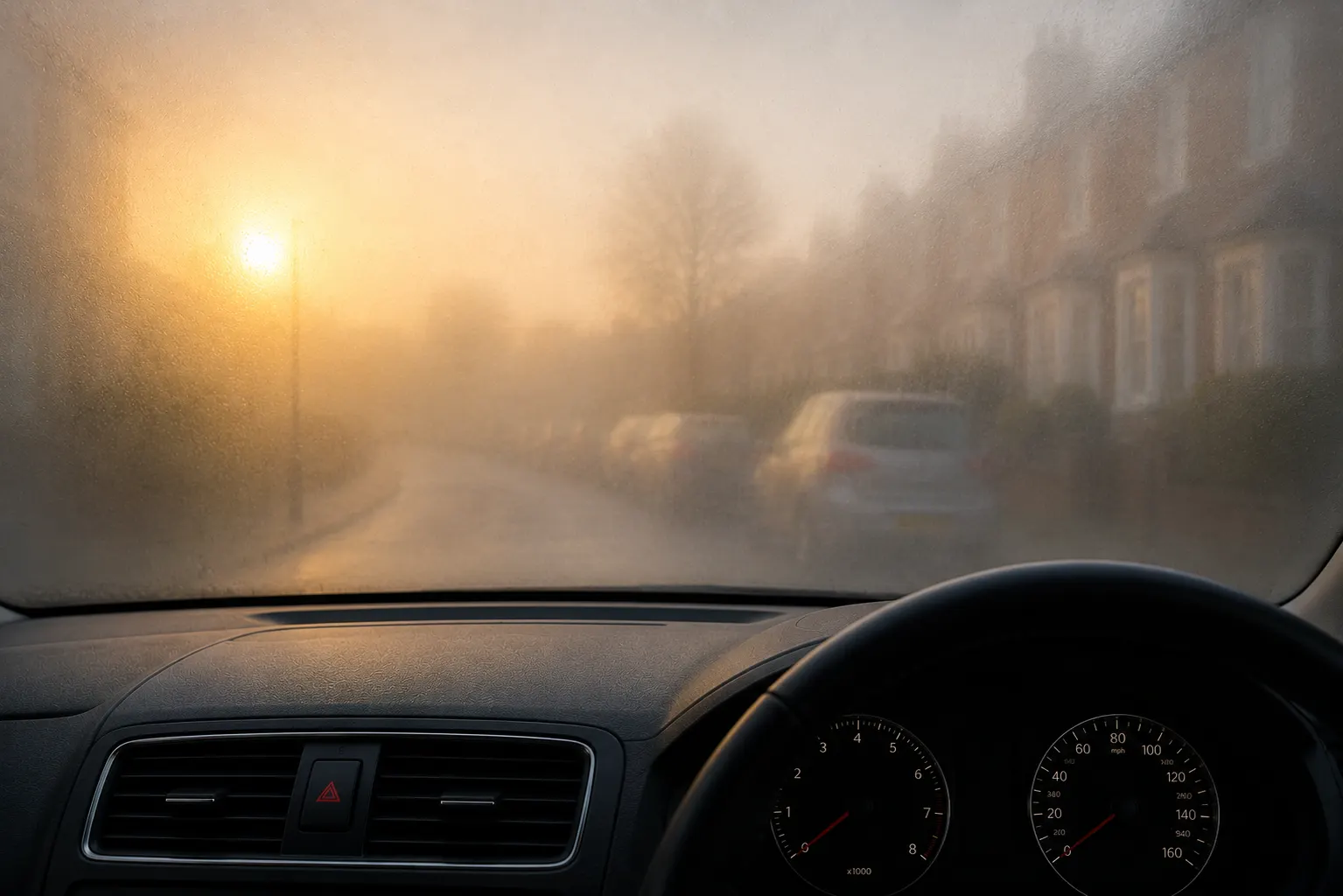
Few things are more irritating than climbing into your car on a cold, wet morning and watching the windscreen instantly fog up like a bathroom mirror. Annoying, yes — but also a genuine safety issue.
Misted windows reduce visibility, slow your reactions and can make driving unsafe. In the UK, windscreens and windows must be kept clean and free from anything that obstructs your view, so setting off while peering through a tiny clear patch is not a clever shortcut. It is simply bad driving with condensation.
The good news is that stopping your car from fogging up is usually straightforward. You need the right heater settings, clean glass, good airflow and a dry cabin.
Quick Answer: How Do You Stop Car Windows Fogging Up?
To stop car windows fogging up, turn on the heater, switch the air conditioning on, direct airflow at the windscreen, turn the fan up and switch recirculation off. Use the rear heated screen where needed. To prevent fogging, keep the inside of the glass clean, remove wet items, dry floor mats and check for leaks or a blocked cabin filter.
Useful source: RAC windscreen demisting advice
Why Do Car Windows Fog Up?
Car windows fog up when warm, moist air inside the cabin meets cold glass.
The moisture in the air condenses on the inside of the windscreen and windows, creating that familiar misty film. It is most common in cold, wet weather because the glass is cold and the air inside the car quickly becomes humid.
Common causes include:
- Wet coats
- Damp shoes
- Umbrellas
- Wet floor mats
- Breath from passengers
- Dogs in the car
- Dirty interior glass
- Leaking door or window seals
- Blocked drainage channels
- Damp carpets
- Faulty air conditioning
- A clogged cabin filter
A car with one slightly damp driver is manageable. A car full of passengers, wet coats, muddy shoes and a dog is basically a mobile weather system.
Fastest Way to Demist a Windscreen
If your windscreen has fogged up, follow these steps.
Step 1: Start the Car
Turn on the engine so the heater and ventilation system can run.
Step 2: Set the Temperature to Warm or Hot
Warm air helps lift moisture away from the glass.
Step 3: Switch the Air Conditioning On
Air conditioning dries the air, which stops moisture settling straight back onto the windscreen.
Step 4: Direct Airflow to the Windscreen
Use the windscreen vent setting so warm, dry air blows directly onto the glass.
Step 5: Turn the Fan Speed Up
A higher fan speed clears mist faster by moving more dry air across the glass.
Step 6: Turn Recirculation Off
Switch to fresh air so damp cabin air is replaced rather than trapped and recycled.
Step 7: Use the Rear Heated Screen
Switch on the heated rear window to clear mist from the back glass at the same time.
Step 8: Open a Window Slightly If Needed
If the cabin is very damp, cracking a window open helps release excess moisture.
Step 9: Wait Until Visibility Is Clear
Do not set off until the windscreen and windows are fully clear. A small clear patch is not enough to drive safely.
The important part is using warm air and air conditioning together. Warm air helps lift moisture from the glass. Air conditioning dries the air, which helps stop the moisture from settling straight back onto the windscreen.
If your car has a dedicated demist, defog or max windscreen button, use it. That button exists because car makers know most of us would otherwise sit there pressing random climate controls like we are trying to launch a satellite.
Should You Use Hot or Cold Air?
Warm air is usually best, especially when combined with air conditioning.
Cold air can sometimes help reduce the temperature difference between the glass and cabin air, but it is not usually the quickest or most comfortable way to clear a misted windscreen.
For most cars, use:
| Setting | Best Option |
|---|---|
| Temperature | Warm or hot |
| Air conditioning | On |
| Fan speed | Medium to high |
| Air direction | Windscreen |
| Recirculation | Off |
| Rear screen heater | On |
| Windows | Slightly open if needed |
The biggest mistake is leaving recirculation on. Recirculation traps damp air inside the car, which is precisely the thing you are trying to get rid of.
Why Air Conditioning Helps in Winter
Many drivers think air conditioning is only for hot weather. It is not.
Air conditioning removes moisture from the air, which makes it extremely useful for demisting windows in winter. RAC notes that air-con acts as a dehumidifier because the air coming from the vents is dry.
That means even if you want warm air, it is still worth switching the A/C on. Your heater warms the air; the air-con dries it.
If your air conditioning no longer clears mist effectively, it may need servicing or regassing.
Useful source: RAC air-con myths explained
How to Prevent Car Windows Fogging Up
Clearing fog is one thing. Stopping it coming back is better.
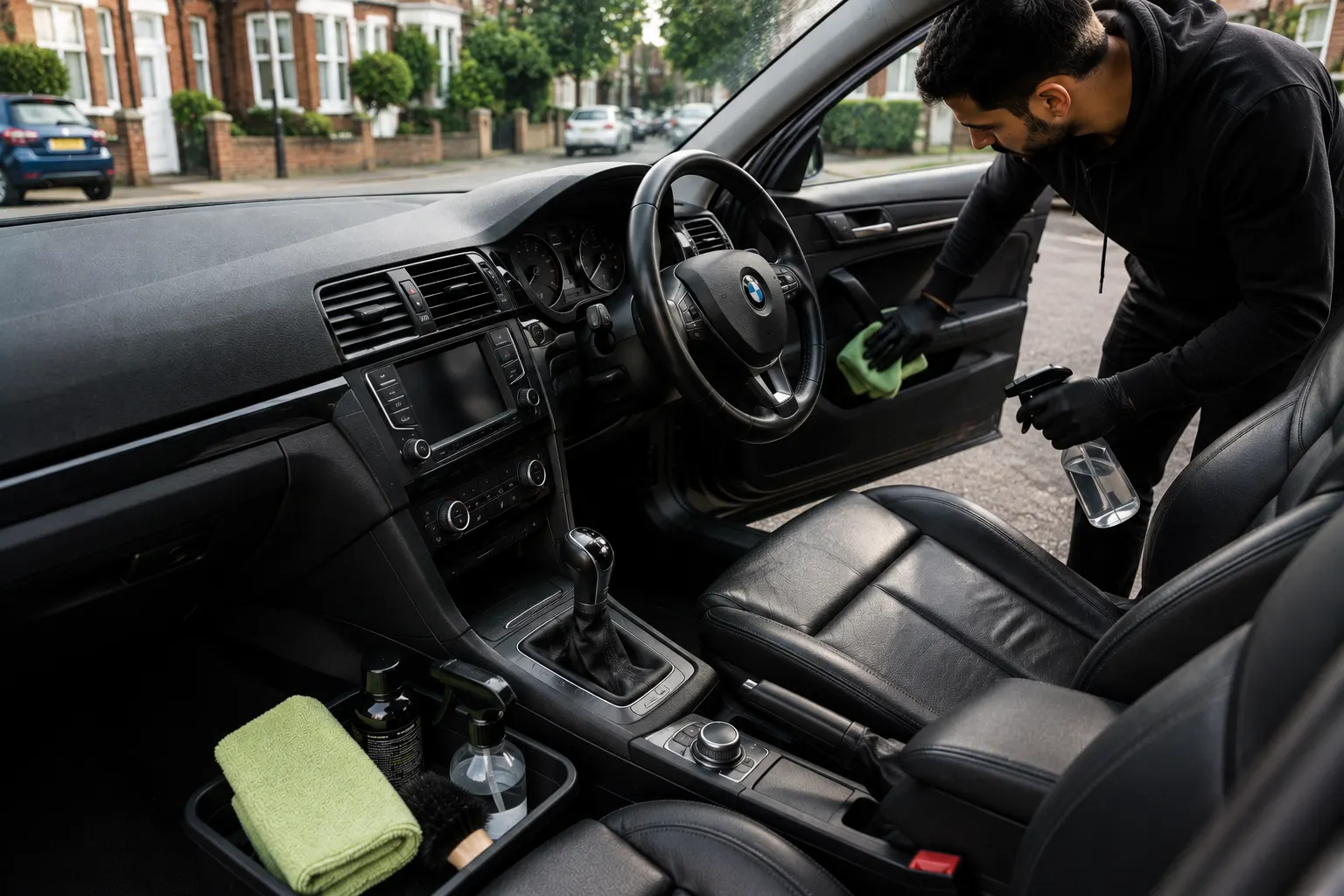
Keep the Inside of the Glass Clean
Dirty glass fogs more easily because moisture sticks to dust, grease and residue.
Clean the inside of your windscreen regularly using:
- Automotive glass cleaner
- Clean microfibre cloths
- A dry cloth for final polishing
- A windscreen reach tool if needed
Avoid wiping the inside of the windscreen with your hand. That leaves oils on the glass, making future fogging worse.
Remove Wet Items from the Car
Wet coats, umbrellas, towels, gym kits and muddy boots all release moisture into the cabin.
If you leave them in the car overnight, that moisture settles on the glass when temperatures drop.
Remove wet items whenever possible and dry them indoors.
Dry Floor Mats
Wet floor mats are one of the biggest causes of condensation.
Take them out, shake them off and dry them properly. If the carpet underneath is damp, investigate further — you may have a leak.
Rubber mats are easier to dry in winter than fabric mats.
Use Air Conditioning Regularly
Run the air conditioning regularly, even in winter.
This helps keep the system working and reduces moisture inside the cabin. If your A/C is weak, noisy or no longer dries the air properly, have it checked.
Turn Recirculation Off Before Parking
If you regularly park with recirculation left on, the cabin can hold more moisture.
Before switching off, use fresh air for the last few minutes of the journey to help ventilate the cabin.
Keep Drainage Channels Clear
Leaves and debris can block drainage channels around the windscreen, scuttle panel, sunroof and doors.
Blocked drains can allow water into the cabin or ventilation system, causing persistent condensation.
If your windows fog heavily every day, check for dampness and blocked drains.
Why Does My Car Fog Up All the Time?
Occasional fogging is normal in cold, wet weather. Constant fogging may mean the car has an underlying moisture problem.
Possible causes include:
- Damp carpets
- Leaking door seals
- Blocked sunroof drains
- Blocked scuttle drains
- Damaged window seals
- Wet boot carpet
- Leaking heater matrix
- Blocked cabin filter
- Faulty air conditioning
- Poor ventilation
Check the front and rear footwells, under the mats, the boot floor and the spare wheel well. If you find dampness, the car may have a leak.
A sweet smell, greasy mist on the windscreen or falling coolant level can suggest a heater matrix problem. That needs proper inspection.
If you are looking at a used car with constant condensation or damp smells, treat it as a warning sign. Before buying, use the MOTChecker.com vehicle health check to review its MOT history, mileage records and potential warning signs, and see our guide on what to check when buying a used car.
Could a Cabin Filter Cause Fogging?
Yes.
The cabin filter, also called the pollen filter, cleans air entering the cabin through the ventilation system. If it becomes clogged, airflow can become weak and demisting performance can suffer.
Signs of a blocked cabin filter include:
- Weak airflow from vents
- Musty smell
- Slow windscreen clearing
- Noisy fan
- More condensation than usual
A cabin filter is usually replaced during servicing, but it is easy to overlook. If your car is slow to demist, check when it was last changed — it is worth asking your garage about this next time you check how much a car service costs.
Can Anti-Fog Products Help?
Yes, but only to a point.
Anti-fog sprays, wipes and treatments can reduce misting on the inside of the glass. They work best when the glass is already clean and the cabin is not damp.
They are useful for:
- Older cars
- Winter driving
- Vehicles parked outside
- Cars with minor condensation issues
They are not a fix for wet carpets, water leaks or faulty ventilation. If the car is damp inside, solve the moisture problem first.
Should You Wipe the Windscreen by Hand?
Only if you have no better option.
Use a clean microfibre cloth, not your hand, sleeve or a tissue that has been living in the door pocket since 2018.
Wiping with your hand leaves grease on the glass, which causes more fogging later. Keep a clean cloth in the car and wash or replace it regularly. The same applies to keeping the rest of the interior in good order — see our guide on how to clean car seats.
How to Stop the Rear Window Fogging Up
Use the heated rear screen.
Most cars have thin heating elements in the rear glass that clear mist and light condensation effectively.
If the rear window keeps fogging up, check:
- Rear heated screen works
- Boot carpet is dry
- Tailgate seals are not leaking
- Rear vents are not blocked
- Rear passengers are not trapping moisture in the cabin
If the rear screen heater does not work, it may be a fuse, wiring issue or damaged heating element.
How to Stop Side Windows Fogging Up
To clear side windows:
- Direct side vents towards the glass
- Keep air-con on
- Use fresh air, not recirculation
- Open a window slightly if needed
- Keep the glass clean
- Remove damp items from the cabin
Make sure vents are open and not blocked by phone holders, bags or dashboard clutter.
Can You Drive with Fogged-Up Windows?
No, not safely.
You should not drive until your windscreen and windows are clear enough to see properly. The Highway Code says windscreens and windows must be clean and free from obstructions to vision.
Useful official source: Highway Code vehicle maintenance guidance
Do not set off while looking through a small clear patch. That might feel like saving time, but it gives you poor visibility and little margin for error.
Should You Leave the Engine Running to Demist?
You may need the engine running briefly to power the heater and demister, but do not leave the vehicle unattended with the engine running.
Highway Code Rule 123 says you must not leave a parked vehicle unattended with the engine running, or leave the engine running unnecessarily while stationary on a public road.
Useful official source: Highway Code Rule 123
In plain English: do not start the car, go back indoors and leave it demisting on the drive or roadside. Apart from the legal issue, it is also a polite invitation for someone else to drive away in it.
Fogging vs Frost: Don't Confuse the Two
Fogging usually forms on the inside of the glass. Frost usually forms on the outside.
For fogging:
- Use heat
- Use air-con
- Use fresh air
- Keep the cabin dry
For frost:
- Use a scraper
- Use de-icer
- Use the heater and demister
- Clear all windows, mirrors, lights and number plates
Do not pour boiling water on a frozen windscreen. It can crack the glass, especially if there are chips or existing damage.
Useful source: AA defrosting windscreen advice
Common Mistakes to Avoid
Avoid these:
- Driving before the glass is clear
- Using recirculation to demist
- Forgetting to switch on air-con
- Leaving wet clothes in the car
- Ignoring damp carpets
- Wiping glass with your hand
- Leaving the engine running unattended
- Pouring boiling water on frozen glass
- Ignoring weak airflow
- Treating anti-fog spray as a fix for leaks
Most fogging problems are caused by moisture, dirty glass or poor airflow. Tackle those, and the problem usually improves quickly. If your car has been sitting unused for a while, it is also worth checking when your MOT is due before you next drive it.
FAQs
What is the fastest way to demist a car windscreen?
Use warm air, switch the air conditioning on, direct airflow at the windscreen, turn the fan up, switch recirculation off and use the rear demister. Wait until visibility is clear before driving.
Should air conditioning be on to demist windows?
Yes. Air conditioning dries the air inside the cabin, which helps remove moisture from the windscreen and windows, even in winter.
Should recirculation be on or off when demisting?
Recirculation should usually be off. Fresh air helps remove damp air from the cabin, while recirculation keeps moisture inside.
Why does my car fog up inside overnight?
Your car may have damp mats, wet clothing, dirty glass, poor ventilation, a blocked cabin filter or a water leak. Cold glass causes cabin moisture to condense overnight.
How do I stop my windscreen fogging up every morning?
Keep the inside of the glass clean, remove wet items, dry floor mats, use air-con regularly, switch recirculation off and check for leaks or a blocked cabin filter.
Can a dirty windscreen make fogging worse?
Yes. Dirt, grease and residue on the inside of the glass make it easier for moisture to cling to the surface, which makes fogging worse.
Is it illegal to drive with a fogged windscreen?
Driving with poor visibility is unsafe, and the Highway Code says windscreens and windows must be clean and free from obstructions to vision. Clear the glass properly before driving.
Why do my windows fog up even with the heater on?
The cabin air may still be damp. Turn the air conditioning on, use fresh air rather than recirculation and check for damp carpets or a blocked cabin filter.
Does a cabin filter affect demisting?
Yes. A clogged cabin filter can reduce airflow through the ventilation system, making demisting slower and less effective.
What does a sweet smell with foggy windows mean?
A sweet smell with greasy mist on the windscreen can suggest a heater matrix or coolant leak. Have the car inspected, especially if coolant levels are dropping.
Conclusion
To stop your car from fogging up, use warm air with the air conditioning on, direct airflow to the windscreen, switch recirculation off and keep the inside of the glass clean.
If condensation keeps returning, look for the real cause: wet mats, damp carpets, blocked drains, weak air-con, a clogged cabin filter or a leak. A clear windscreen is not a luxury. It is basic safety — and it is worth sorting before you drive.