
How Will a Roof Rack Affect Your Car?
Find out how a roof rack affects fuel economy, handling, noise, insurance, roof load limits and safety before fitting one to your car.
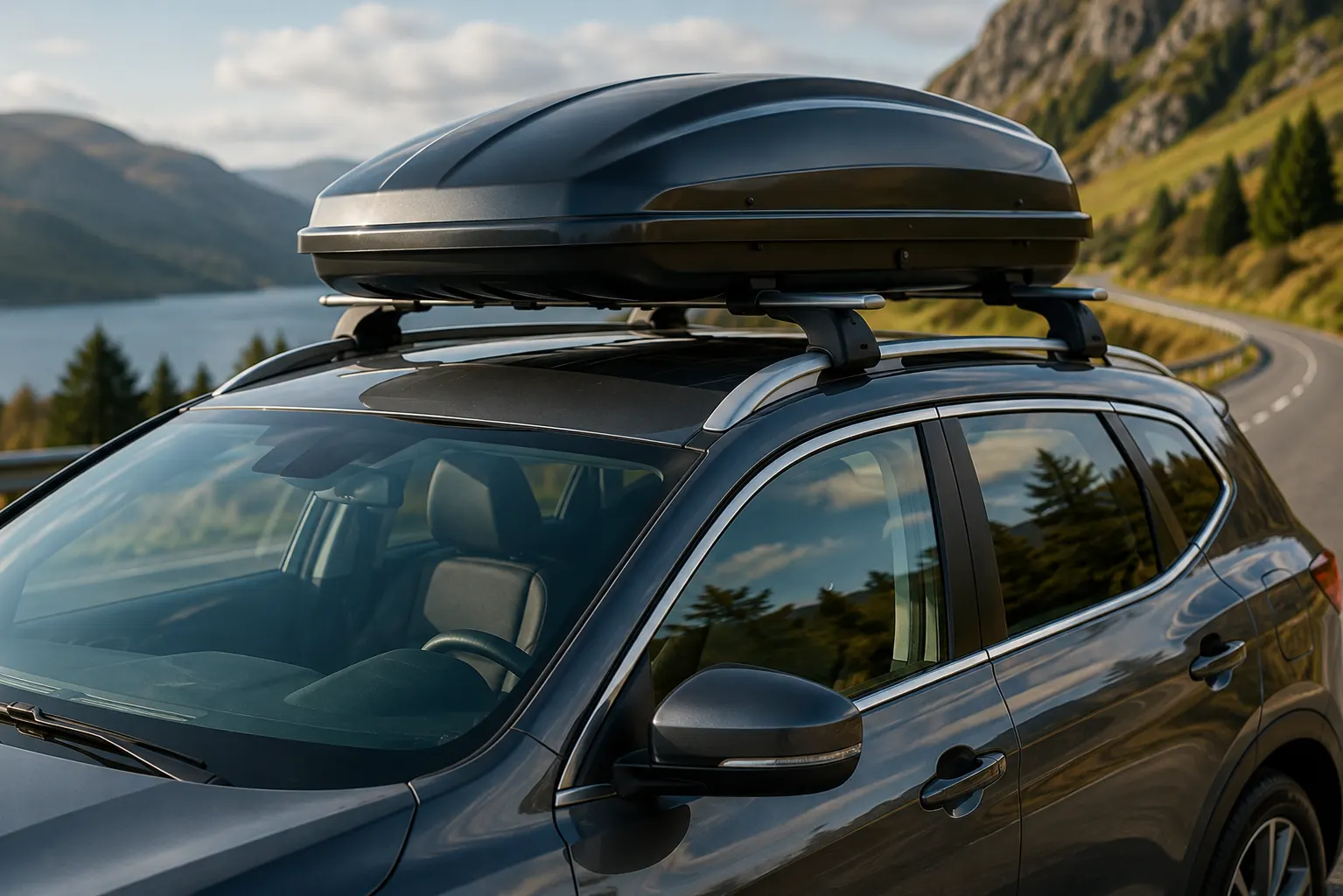
A roof rack can make your car much more useful. It lets you carry bikes, roof boxes, ladders, kayaks, camping gear and all the other awkward items that refuse to fit sensibly in a boot.
But it also changes how your car behaves.
A roof rack can affect fuel economy, handling, braking, wind noise, insurance, roof load limits and even whether you fit into a car park. Used properly, it is a brilliant bit of kit. Used badly, it can turn your family hatchback into a noisy, thirsty, top-heavy luggage shelf.
This guide explains how a roof rack affects your car, what to check before fitting one, how much weight you can carry, whether it affects insurance and how to use one safely.
Quick Answer: How Will a Roof Rack Affect Your Car?
A roof rack can increase fuel consumption, create wind noise, reduce efficiency, affect handling and braking, raise the vehicle’s centre of gravity and add height to your car. It may also affect insurance if it counts as a modification. Always check your vehicle’s roof load limit, fit the rack correctly and secure any load properly before driving.
Useful source: RAC fuel-saving advice
Does a Roof Rack Use More Fuel?
Yes. A roof rack can make your car use more fuel, even when it is empty.
The main reason is aerodynamic drag. Cars are designed to move through the air as smoothly as possible. When you add roof bars, a roof box or bikes on top, you interrupt that airflow. The engine then has to work harder, especially at higher speeds.
RAC cites Energy Saving Trust figures showing that an empty roof rack can add 16% drag at 75mph, while a roof box can add 39% drag at the same speed.
That does not mean your fuel bill will rise by exactly those percentages, because drag and fuel consumption are not the same thing. But it does mean your car becomes less efficient.
In plain English: the faster you go, the more your roof rack behaves like a small argument with the air.
Roof Rack vs Roof Box: Which Affects Fuel Economy More?
A roof box usually affects fuel economy more than roof bars alone.
| Roof Setup | Likely Effect |
|---|---|
| No roof rack | Best fuel economy |
| Empty roof bars | Slightly worse fuel economy |
| Loaded roof bars | Worse fuel economy |
| Roof box | Noticeably worse fuel economy |
| Bikes on roof | Can create heavy drag |
| Kayak or large load | Can create major drag and handling effects |
A streamlined roof box may be better than a badly packed open roof rack, but anything on the roof will usually reduce efficiency compared with a clean roofline.
If you do not need the rack, remove it. Leaving empty bars on for months is like carrying a small fuel bill on the roof for decoration.
Will a Roof Rack Affect an Electric Car’s Range?
Yes. Roof racks, roof boxes and roof-mounted bikes can reduce electric car range.
Electric vehicles are particularly sensitive to aerodynamic drag because efficiency is one of their main strengths. At motorway speeds, a roof box or bike rack can noticeably reduce range.
A roof rack can affect an EV by:
- Increasing energy use
- Reducing motorway range
- Increasing wind noise
- Affecting handling
- Adding weight
- Making charging stops more frequent on long trips
If you are doing a long EV journey with a roof box, plan more conservatively. The range estimate may drop faster than usual, especially in cold weather or at higher speeds.
For EVs, roof-mounted kit is often less about “will it work?” and more about “how much range am I willing to sacrifice?”
Does a Roof Rack Affect Handling?
Yes. A roof rack can affect how your car handles, especially when loaded.
Putting weight on the roof raises the car’s centre of gravity. That can make the car feel less stable, particularly when cornering, braking, changing lanes or driving in strong winds.
A loaded roof rack may cause:
- More body roll
- Slower steering response
- Longer stopping distances
- Reduced stability in crosswinds
- More movement during sudden manoeuvres
- Extra strain on suspension and tyres
RAC warns that overloading a car can make it harder to control, increase stopping distance and make steering feel less accurate.
Useful source: RAC overloading advice
The effect is usually manageable if the rack is fitted correctly and the load is light, low and secure. But if you pile heavy gear on the roof and then drive as if nothing has changed, the car may politely remind you that physics is not optional.
Does a Roof Rack Make Your Car Noisy?
Yes, it can.
Roof bars and racks can cause wind noise, especially at motorway speeds. The noise may sound like:
- Whistling
- Humming
- Rushing air
- Vibration
- A low drone
Noise is usually worse if:
- The bars are square rather than aerodynamic
- The rack is fitted too far forward
- The rubber strips are missing
- The load is uneven
- Straps are loose
- Accessories are left on when not in use
- The roof box is poorly positioned
Aerodynamic roof bars are usually quieter than older square bars. Fitting the rack according to the manufacturer’s instructions also matters.
A roof rack should not sound like there is a haunted flute above your head. If it does, check the fitting.
How Much Weight Can You Put on a Car Roof Rack?
You need to check three limits:
- The vehicle roof load limit.
- The roof bar or roof rack limit.
- The accessory limit, such as a roof box or bike carrier.
The lowest limit is the one you must follow.
For example:
| Item | Example Limit |
|---|---|
| Car roof limit | 75kg |
| Roof bars | 100kg |
| Roof box | 75kg |
In that example, your usable limit is not 100kg. It is 75kg, and that normally includes the weight of the bars, box and load.
Halfords advises checking both the roof bar instructions and the car’s handbook, because the car’s own roof limit may be lower than the bars’ capacity.
Useful source: Halfords roof bar buyer’s guide
Do not guess the roof limit. Check the handbook or manufacturer data for your exact vehicle.
Dynamic Roof Load vs Static Roof Load
This matters if you are carrying heavy equipment or using a roof tent.
The dynamic roof load is the weight the roof can safely carry while the car is moving.
The static roof load is the weight the roof can support while the car is parked.
For normal roof racks, roof boxes and bikes, you mainly need to worry about the dynamic roof load. That is the figure usually shown in the vehicle handbook.
Do not assume a roof tent is safe just because the car roof can hold weight when parked. Roof tents, people and equipment all add weight, and the rack system must be suitable.
If using a roof tent, check:
- Vehicle roof load limit
- Roof bar or platform rating
- Roof tent weight
- Manufacturer fitting guidance
- Static and dynamic load guidance
- Whether the roof type is suitable
A panoramic glass roof is not a personality test. Do not load it unless the manufacturer says it is suitable.
Will a Roof Rack Affect Braking?
Yes, especially if loaded.
A roof rack adds weight. Weight affects stopping distance. It can also change how the car reacts under heavy braking because the load is higher up.
Hard braking with a poorly secured roof load can be dangerous because the load may shift forwards.
To reduce risk:
- Keep heavy items inside the boot where possible
- Put lighter bulky items on the roof
- Secure loads at the front and rear
- Use proper straps, not weak rope
- Check straps after a short distance
- Drive more smoothly
- Leave a bigger gap to the car in front
A roof rack is useful for bulky items, not an excuse to put half a builder’s merchant above your head.
Are Roof Racks Legal?
Roof racks are legal, but the load must be safe, secure and within limits.
The Highway Code says drivers must not overload their vehicle and must secure loads so they do not stick out dangerously.
Useful source: Highway Code Rule 98
This means you should check:
- The load is secure
- The vehicle is not overloaded
- The rack is fitted correctly
- The load does not dangerously overhang
- The driver’s view is not blocked
- Lights and number plates are not obscured
- The vehicle remains stable
- Tyre pressures are correct for the load
- Headlights do not dazzle due to the extra weight
You are responsible for the load once you drive away. If it falls off, “the straps seemed fine when I left” is unlikely to impress anyone.
What Are the Rules on Overhanging Loads?
If a load sticks out beyond the car, extra rules may apply.
GOV.UK guidance explains that front, rear and side overhanging loads are covered by the Road Vehicles Construction and Use Regulations.
As a summary:
- Rear overhang up to 1 metre has no specific marking requirement.
- Rear overhang over 1 metre and up to 2 metres must have the end made clearly visible.
- Larger front or rear projections may require marker boards, an attendant or police notice.
- Side projections over 305mm may require police notice, marker boards and additional lights in poor visibility.
Useful official source: GOV.UK overhanging loads guidance
For normal roof boxes and bike racks, overhang is usually not an issue if the equipment is made for your car and fitted correctly. But if you are carrying timber, ladders, pipes, kayaks or anything long, check the rules before setting off.
Does a Roof Rack Affect Insurance?
It can.
A roof rack, roof bars, bike rack or roof box may count as a modification, especially if it was not fitted as standard when the car was made.
AXA’s modification guidance lists roof racks, roof bars, bike racks and top boxes among modifications and says drivers should tell their insurer about modifications.
Useful source: AXA car modification insurance guidance
In practice, some insurers may not charge extra for a removable roof rack, but others may want it declared. The safest approach is simple: check your policy or ask your insurer.
You should especially check if:
- The rack is permanently fitted
- You carry bikes, tools or expensive equipment
- You use a roof box
- You use the car for business
- You have modified roof rails
- You use a roof tent
- The rack was not fitted by the manufacturer
Insurance is not the place to rely on vibes. Get confirmation.
Does a Roof Rack Damage Your Car?
A properly fitted roof rack should not damage your car.
However, damage can happen if:
- The wrong fitting kit is used
- The clamps are overtightened
- The rack is badly positioned
- Dirt is trapped under the feet
- The load is too heavy
- Straps rub against paintwork
- The rack is left on for long periods
- The roof rails are already damaged
- The car has a glass roof not designed for loading
Possible damage includes:
- Scratched paint
- Dented roof panels
- Damaged door seals
- Water leaks
- Bent roof rails
- Damaged trim
- Cracked plastic mounts
Clean the roof before fitting bars and use the correct kit for your exact car. “It nearly fits” is not good enough when it is holding a box full of luggage above the windscreen.
Will a Roof Rack Affect Car Park Clearance?
Yes. This is one of the easiest things to forget.
A roof rack, roof box, bikes or roof tent can make the car significantly taller. That matters for:
- Multi-storey car parks
- Supermarket height barriers
- Drive-throughs
- Ferries
- Tunnels
- Garages
- Low branches
- Home driveways with overhangs
Know your new vehicle height before driving into restricted areas. Put a note on the dashboard if needed.
Plenty of roof boxes have met their end at car park barriers. Usually with a noise that ruins the holiday before it has properly started.
Roof Rack, Roof Bars and Roof Rails: What’s the Difference?
These terms are often mixed up.
| Term | Meaning |
|---|---|
| Roof rails | Lengthways rails fitted to the car roof, often from factory |
| Roof bars | Crossbars that run side to side across the roof |
| Roof rack | General term for a roof carrying system |
| Roof box | Enclosed storage box fitted to roof bars |
| Bike rack | Carrier for bicycles, sometimes roof-mounted |
| Roof platform | Flat rack system often used for off-road or camping gear |
Many cars with roof rails still need roof bars before you can fit a box or bike carrier.
Do not assume factory roof rails mean you can strap anything directly to them. You still need a proper carrying system.
How to Load a Roof Rack Safely
Follow these rules:
Step 1: Check the Roof Load Limits
Check the vehicle roof load limit and the roof bar or rack limit, then include the weight of the bars and box in the total.
Step 2: Keep Roof Loads Light
Put heavy items in the boot where possible and keep roof loads as light as you can.
Step 3: Spread the Weight Evenly
Spread weight evenly across the rack and do not overload one side.
Step 4: Use Proper Straps
Use proper straps rather than rope, and secure the front and rear of long loads.
Step 5: Check the Load After a Few Miles
Check the load after a few miles, then recheck it at every stop.
Step 6: Drive More Gently
Drive more gently to account for the extra height and weight on the roof.
AA advice warns that ropes and straps can work loose and drivers should stop regularly to check that loads remain secure.
Useful source: AA overloading advice
What Should You Carry on a Roof Rack?
Roof racks are best for bulky but relatively light items.
Suitable loads may include:
- Roof boxes
- Bikes
- Skis
- Snowboards
- Kayaks
- Surfboards
- Camping gear
- Ladders
- Light timber
- Roof tents, if the vehicle and rack are suitable
Avoid carrying very heavy items on the roof if they can go safely in the boot instead.
The roof is not the best place for weight. It is the best place for awkward bulk.
How Should a Roof Rack Affect Your Driving?
Drive more carefully when using a roof rack.
Adjust your driving by:
- Slowing down
- Leaving more braking distance
- Taking corners gently
- Avoiding sharp steering inputs
- Being careful in crosswinds
- Checking height restrictions
- Rechecking straps regularly
- Avoiding sudden braking where possible
- Watching for extra noise or movement
If the car feels unstable, noisy or strange, stop somewhere safe and check the rack and load.
Do not ignore new rattles, whistles or thumps. Cars rarely make those noises as compliments.
Should You Remove a Roof Rack When Not Using It?
Yes, usually.
Removing a roof rack when you do not need it can:
- Improve fuel economy
- Reduce wind noise
- Reduce wear on fittings
- Lower the risk of theft
- Prevent accidental car park damage
- Improve efficiency on EVs
- Restore normal handling
If you use a roof box only for holidays, take it off after the trip. Leaving it on all year is convenient, but it costs you in drag, noise and possibly fuel.
Does a Roof Rack Affect an MOT?
A roof rack itself is not usually an MOT problem if it is secure and does not create a danger.
However, your car still needs to be roadworthy. A badly fitted, sharp, insecure or dangerous roof attachment could attract attention, and an unsafe load is a road safety issue.
Also remember that an MOT does not confirm your roof rack is fitted correctly for a holiday load. It is your responsibility to check the rack, load limit and straps before driving. It's also worth knowing when your MOT is due before you set off on a long trip.
If you are buying a used car with roof rails, roof bars or previous roof-rack use, inspect the roof, seals and rails carefully as part of your wider checks when buying a used car. A MOTChecker.com vehicle health check can also help you review the car’s MOT history, mileage records and previous defects before buying.
Common Roof Rack Mistakes
Avoid these:
- Ignoring the car’s roof load limit
- Forgetting to include the weight of the rack or box
- Using the wrong fitting kit
- Leaving straps loose
- Carrying heavy loads on the roof instead of in the boot
- Driving too fast in crosswinds
- Forgetting the extra height
- Entering car parks with a roof box fitted
- Leaving empty bars on all year
- Not telling your insurer
- Assuming factory roof rails can take any load
- Not checking straps after setting off
Most roof rack problems come from overconfidence, poor fitting or forgetting the car is now taller than it was yesterday. If you're weighing up a car for regular roof-rack use, it's worth revisiting what makes a good used car and checking what mileage is reasonable for the model you're considering, since a well-maintained car handles the extra strain better.
FAQs
Does a roof rack affect fuel consumption?
Yes. A roof rack increases aerodynamic drag, which can make your car use more fuel. The effect is worse at higher speeds and when carrying roof boxes, bikes or bulky loads.
Does an empty roof rack use more fuel?
Yes, even empty roof bars can reduce efficiency because they disturb airflow over the car. Removing them when not in use can help save fuel and reduce wind noise.
Does a roof rack affect handling?
Yes. A loaded roof rack raises the car’s centre of gravity, which can affect cornering, braking, stability and crosswind behaviour. Drive more gently and leave extra braking distance.
How much weight can a car roof rack carry?
It depends on your car, roof bars and accessories. Check the vehicle roof load limit, the roof bar limit and the accessory limit. The lowest figure is the limit you should follow.
Do I need to tell my insurer about a roof rack?
You should check with your insurer. Roof racks, roof bars, bike racks and top boxes may be treated as modifications, especially if they were not fitted as standard.
Can a roof rack damage my car?
Yes, if it is badly fitted, overloaded or the wrong fitting kit is used. Damage can include scratched paint, damaged seals, bent rails or roof dents.
Is it legal to carry things on a roof rack?
Yes, provided the load is secure, does not dangerously overhang, does not overload the vehicle and does not obstruct your view, lights or number plates.
Can I leave my roof rack on all the time?
You can, but it is usually better to remove it when not needed. Leaving it on can increase fuel use, wind noise, wear and the risk of height-related accidents.
Does a roof rack affect EV range?
Yes. Roof racks, roof boxes and roof-mounted bikes can reduce electric car range, especially at motorway speeds, because they increase aerodynamic drag.
What is the safest way to load a roof rack?
Keep loads light, spread weight evenly, secure them with proper straps, check the roof load limit and recheck the load after a few miles and at each stop.
Conclusion
A roof rack can make your car far more practical, but it is not a free upgrade. It can increase fuel use, reduce efficiency, create wind noise, affect handling, raise your vehicle height and introduce insurance and safety considerations.
The solution is not to avoid roof racks altogether. It is to use them properly. Choose the correct fitting kit, check the roof load limit, secure the load properly, tell your insurer if required and remove the rack when you do not need it.
Done properly, a roof rack is useful. Done badly, it is a noisy, expensive reminder that the roof of your car was not designed to be a shed.