
How Much Does It Cost to Charge an Electric Car?
Find out how much it costs to charge an electric car at home, on EV tariffs and at public chargers, with UK 2026 cost examples.
How Much Does It Cost to Charge an Electric Car?
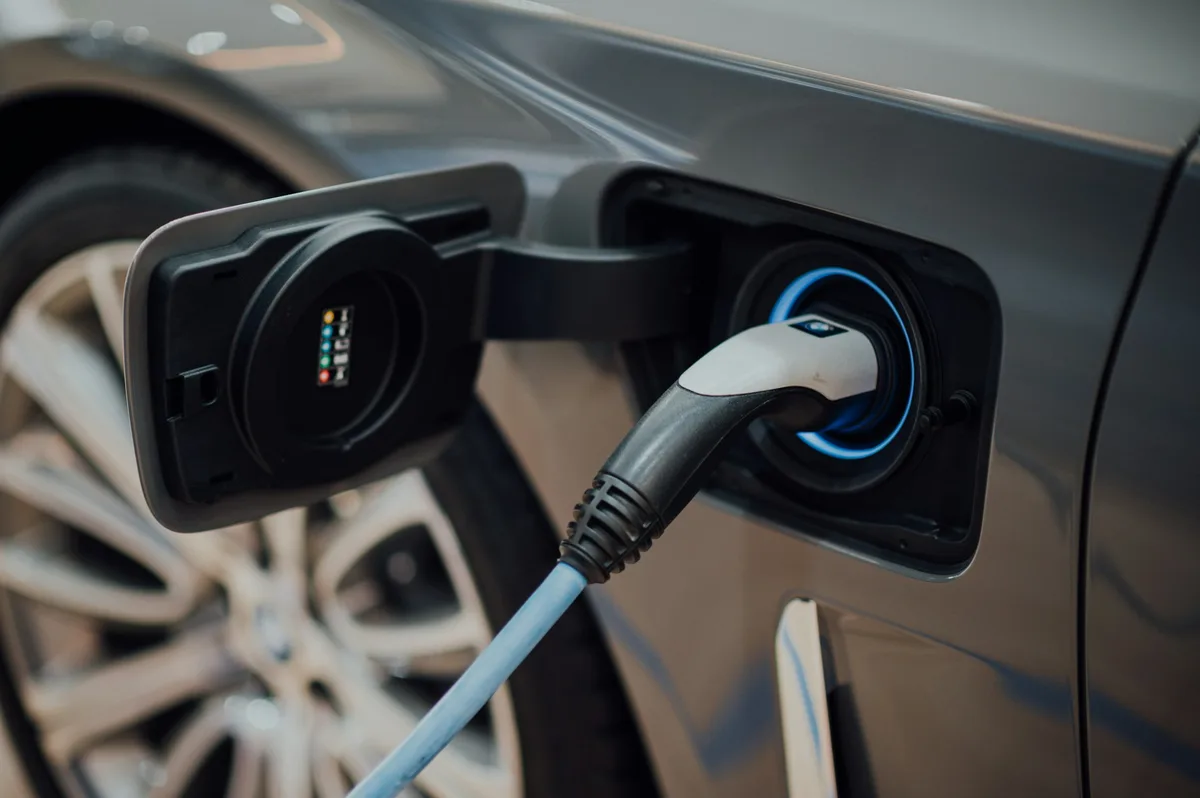
Charging an electric car can cost anywhere from a few pounds at home on a cheap overnight EV tariff to more than £60 at a rapid public charger, depending on the battery size, electricity price and where you plug in.
That is the key point: there is no single price for charging an EV. Charging at home overnight can be extremely cheap. Charging at a motorway rapid charger can be much more expensive. Charging from a standard household tariff sits somewhere in the middle.
As of July 2026, a typical 60kWh electric car battery costs about £15.67 to charge from empty to full on the Ofgem price-cap electricity rate of 26.11p/kWh. The same battery would cost about £4.80 on an 8p/kWh overnight EV tariff, or about £47.40 at a 79p/kWh rapid public charger.
So yes, EV charging can be very cheap. It can also be surprisingly expensive if you rely heavily on rapid public charging. Electricity, like motorway coffee, varies wildly depending on where you buy it.
Quick Answer: How Much Does It Cost to Charge an Electric Car?
In the UK, charging a 60kWh electric car from empty to full costs roughly £4–£6 on a cheap overnight EV tariff, about £15–£16 on a standard domestic electricity rate, around £32 on slower public charging at 54p/kWh, or about £47 on rapid public charging at 79p/kWh.
Actual costs depend on battery size, tariff, charger price, charging losses and how much of the battery you actually charge.
Useful source: Zapmap charging price index
How to Work Out Your EV Charging Cost in 3 Steps
Step 1: Find Your Battery Size in kWh
Check your vehicle handbook or manufacturer specifications for the usable battery capacity, usually shown in kilowatt-hours (kWh).
Step 2: Find Your Electricity Price Per kWh
Check your home tariff, EV tariff or the public charger’s advertised price per kWh. This is usually shown on your energy bill, tariff page or the charging app.
Step 3: Multiply Battery Size by Price Per kWh
Use the formula: battery size in kWh × electricity price per kWh = charging cost. For example, a 60kWh battery at 26.11p/kWh costs 60 × £0.2611 = £15.67.
Electric Car Charging Cost Formula
To work out the cost of charging an electric car, use this simple formula:
Battery size in kWh × electricity price per kWh = charging cost
Example:
A 60kWh battery charged at 26.11p/kWh:
60 × £0.2611 = £15.67
That is the basic calculation.
In real life, you should allow a little extra for charging losses. Not every unit of electricity drawn from the wall ends up stored in the battery. Some is lost as heat through the charger, cable and battery management system.
For simple estimates, the formula above is fine. For precise budgeting, real-world costs may be slightly higher.
How Much Does It Cost to Fully Charge Popular Electric Cars?
To make the numbers easier to understand, here are example full-charge costs for common electric cars from different manufacturers.
These are rough 0–100% charging estimates based on representative battery sizes. Exact battery capacity can vary by trim, model year and whether the manufacturer quotes gross or usable capacity. The figures also do not include charging losses, so real-world costs may be slightly higher.
| Electric Car | Approx Battery Size | 8p/kWh EV Tariff | 26.11p/kWh Standard Home Rate | 79p/kWh Rapid Public Charging |
|---|---|---|---|---|
| Dacia Spring | 26.8kWh | £2.14 | £7.00 | £21.17 |
| Nissan Leaf | 39kWh | £3.12 | £10.18 | £30.81 |
| Fiat 500e | 42kWh | £3.36 | £10.97 | £33.18 |
| Peugeot E-208 | 51kWh | £4.08 | £13.32 | £40.29 |
| Renault 5 E-Tech | 52kWh | £4.16 | £13.58 | £41.08 |
| Volkswagen ID.3 Pro | 58kWh | £4.64 | £15.14 | £45.82 |
| Tesla Model 3 RWD | 60kWh | £4.80 | £15.67 | £47.40 |
| Tesla Model Y RWD | 60kWh | £4.80 | £15.67 | £47.40 |
| MG4 EV Long Range | 64kWh | £5.12 | £16.71 | £50.56 |
| Kia Niro EV | 64.8kWh | £5.18 | £16.92 | £51.19 |
| Hyundai Kona Electric Long Range | 65.4kWh | £5.23 | £17.08 | £51.67 |
| Volvo EX30 Extended Range | 69kWh | £5.52 | £18.02 | £54.51 |
| Skoda Enyaq 85 | 77kWh | £6.16 | £20.10 | £60.83 |
| Audi Q4 e-tron | 77kWh | £6.16 | £20.10 | £60.83 |
| BMW i4 eDrive40 | 81.1kWh | £6.49 | £21.18 | £64.07 |
This table shows why the charging location matters more than the car itself.
For example, a Tesla Model 3 RWD or Tesla Model Y RWD with an estimated 60kWh battery costs about £4.80 to fully charge on an 8p/kWh overnight EV tariff, but about £47.40 at a 79p/kWh rapid public charger.
The same car. The same battery. Almost ten times the cost.
That is why home charging is such a major advantage for electric car owners. If you can charge overnight on a cheap EV tariff, even larger EVs can be surprisingly cheap to run. If you rely mainly on rapid public charging, the running costs can be much closer to petrol or diesel.
Current UK EV Charging Cost Examples
Here are rough charging costs using July 2026 UK prices.
| Battery Size | 8p/kWh EV Tariff | 26.11p/kWh Standard Home Rate | 54p/kWh Public Standard | 79p/kWh Public Rapid |
|---|---|---|---|---|
| 40kWh | £3.20 | £10.44 | £21.60 | £31.60 |
| 50kWh | £4.00 | £13.06 | £27.00 | £39.50 |
| 60kWh | £4.80 | £15.67 | £32.40 | £47.40 |
| 75kWh | £6.00 | £19.58 | £40.50 | £59.25 |
| 80kWh | £6.40 | £20.89 | £43.20 | £63.20 |
| 100kWh | £8.00 | £26.11 | £54.00 | £79.00 |
These are full-charge examples. In normal use, most drivers do not charge from 0% to 100% every time. Many top up from 20% to 80%, especially on rapid chargers.
How Much Does It Cost to Charge an EV at Home?
Home charging is usually the cheapest way to charge an electric car.
There are two main home-charging scenarios:
- Charging on a standard household electricity tariff.
- Charging on a specialist off-peak EV tariff.
As of July 2026, the Ofgem price cap for standard variable tariffs uses an average electricity unit rate of 26.11p/kWh for direct-debit customers in England, Scotland and Wales.
Useful source: Ofgem energy price cap unit rates
Using that rate:
| Battery Size | Approx Full Charge Cost at 26.11p/kWh |
|---|---|
| 40kWh | £10.44 |
| 50kWh | £13.06 |
| 60kWh | £15.67 |
| 75kWh | £19.58 |
| 100kWh | £26.11 |
That is already cheaper than many petrol or diesel fill-ups, but the real savings usually come from overnight EV tariffs.
How Much Does It Cost on an EV Tariff?
Specialist EV tariffs can offer much cheaper electricity overnight or during smart-charging windows.
Examples available in 2026 include:
- Octopus Intelligent Go at 8p/kWh off-peak
- British Gas EV tariff at 9p/kWh off-peak
- EDF EV tariffs around 6.49–6.99p/kWh off-peak
- OVO Charge Anytime at 14p/kWh as an EV charging add-on
Useful sources: Octopus Intelligent Go, British Gas EV tariff, EDF EV tariffs, OVO Charge Anytime
Using an 8p/kWh overnight tariff:
| Battery Size | Approx Full Charge Cost at 8p/kWh |
|---|---|
| 40kWh | £3.20 |
| 50kWh | £4.00 |
| 60kWh | £4.80 |
| 75kWh | £6.00 |
| 100kWh | £8.00 |
That is where EV ownership starts to look very attractive. A full charge for less than the price of a service-station sandwich is difficult to ignore.
How Much Does Public EV Charging Cost?
Public charging is usually more expensive than home charging.
Zapmap’s May 2026 charging price index shows the weighted average pay-as-you-go public charging prices were:
- 54p/kWh for 3kW to 49kW standard and standard-plus chargers
- 79p/kWh for 50kW and above rapid and ultra-rapid chargers
Useful source: Zapmap charging price index
Using those averages:
| Battery Size | Public Standard at 54p/kWh | Public Rapid at 79p/kWh |
|---|---|---|
| 40kWh | £21.60 | £31.60 |
| 50kWh | £27.00 | £39.50 |
| 60kWh | £32.40 | £47.40 |
| 75kWh | £40.50 | £59.25 |
| 100kWh | £54.00 | £79.00 |
Public rapid charging is convenient, but convenience is rarely cheap. It is the EV equivalent of buying snacks at the cinema: useful, but financially rude.
How Much Does a 10% to 80% Rapid Charge Cost?
On long journeys, many EV drivers charge from around 10% to 80% rather than 0% to 100%.
That is because rapid charging usually slows down at higher battery percentages. Charging to 80% is often faster and more efficient than waiting for the final 20%.
A 10% to 80% charge adds 70% of the battery capacity.
| Battery Size | Energy Added from 10% to 80% | Cost at 79p/kWh |
|---|---|---|
| 40kWh | 28kWh | £22.12 |
| 50kWh | 35kWh | £27.65 |
| 60kWh | 42kWh | £33.18 |
| 75kWh | 52.5kWh | £41.48 |
| 100kWh | 70kWh | £55.30 |
This is why rapid charging is best used for long trips and urgent top-ups, not as your only regular charging method if you can avoid it.
How Much Does It Cost Per Mile to Charge an Electric Car?
Cost per mile depends on two things:
- Electricity price.
- How efficient the EV is.
A typical EV might achieve around 3 to 4 miles per kWh, depending on the model, temperature, speed and driving style.
Here are examples using 3.5 miles per kWh:
| Electricity Price | Approx Cost Per Mile |
|---|---|
| 8p/kWh EV tariff | 2.3p per mile |
| 14p/kWh EV tariff | 4.0p per mile |
| 26.11p/kWh standard home rate | 7.5p per mile |
| 54p/kWh public standard | 15.4p per mile |
| 79p/kWh public rapid | 22.6p per mile |
Zapmap’s May 2026 index estimates around 16p per mile for standard public charging and 24p per mile for rapid and ultra-rapid public charging, based on its average efficiency assumptions.
Useful source: Zapmap charging price index
The lesson is simple: home charging can be extremely cheap per mile. Rapid public charging can be several times more expensive.
Home Charging vs Public Charging
The biggest factor in EV running costs is whether you can charge at home.
| Charging Type | Cost Level | Best For |
|---|---|---|
| Home EV tariff | Cheapest | Regular overnight charging |
| Standard home tariff | Moderate | Drivers without EV tariff |
| Public slow/fast charger | Expensive | Destination charging, flats, work trips |
| Public rapid charger | Most expensive | Long journeys and urgent top-ups |
If you have a driveway and can use an overnight tariff, EV charging can be very cheap. If you rely mainly on rapid public charging, the cost advantage over petrol or diesel can shrink significantly.
This is one of the biggest divides in EV ownership. Two drivers can own the same electric car but pay completely different running costs depending on where they charge.
Why Is Public Charging More Expensive?
Public charging costs more for several reasons.
Public chargepoint operators have to cover:
- Electricity costs
- Grid connection costs
- Charger installation
- Site rental
- Maintenance
- Payment systems
- Customer support
- Network operation
- Profit margin
- VAT
VAT is a major issue. Domestic electricity is generally charged at 5% VAT, while HMRC’s policy is that electricity supplied at public EV chargepoints is subject to the standard VAT rate because public chargepoints do not qualify as domestic premises.
Useful source: HMRC VAT guidance on public EV charging
In plain English, drivers who cannot charge at home often pay more. That is one of the less fair parts of the EV transition.
How Much Does It Cost to Install a Home EV Charger?
A home EV charger usually costs more upfront than using a three-pin plug, but it is faster, safer and more convenient.
RAC estimates a typical home chargepoint installation at around £800–£1,200, though the exact price depends on the charger, electrical work and installation complexity.
Useful source: RAC EV charging cost guide
You may also be eligible for support. The UK government’s EV chargepoint grant can provide 75% off the cost of buying and installing a socket, up to a maximum of £500, for eligible renters and flat owners.
Useful source: GOV.UK EV chargepoint grant
If you can charge at home regularly, the upfront charger cost may be offset by cheaper charging over time.
Can You Charge an EV from a Three-Pin Plug?
Yes, but it is usually slow and should be treated as a backup or occasional method, not the ideal long-term solution.
A normal domestic socket may add only a small amount of range per hour compared with a dedicated 7kW home charger.
A three-pin plug may be useful:
- In emergencies
- At a relative’s house
- For very low-mileage drivers
- While waiting for a home charger installation
But for regular EV ownership, a proper home wallbox is usually better.
Always use suitable equipment and follow manufacturer guidance. Do not run cables dangerously across pavements or through windows, and do not overload extension leads. Electricity does not appreciate improvisation.
How Long Does It Take to Charge an Electric Car?
Charging time depends on battery size, charger speed and the car’s maximum charging rate.
Approximate examples:
| Charger Type | Typical Power | Best For |
|---|---|---|
| Three-pin plug | Around 2–3kW | Occasional or emergency charging |
| Home wallbox | Around 7kW | Overnight home charging |
| Public fast charger | 7–22kW | Destination charging |
| Rapid charger | 50kW+ | Long journeys |
| Ultra-rapid charger | 150kW+ | Faster motorway charging where supported |
A 60kWh EV on a 7kW home charger could take around 8–9 hours from empty to full in ideal conditions. On a rapid charger, a 10% to 80% charge may take around 30–45 minutes, depending on the car and charger.
Your car’s charging speed matters. Plugging a car that can only accept 100kW into a 350kW charger will not make it charge at 350kW. The charger may be powerful, but the car still has the final say.
Does Charging to 100% Cost More?
The electricity price per kWh is the same, but the time cost can be much higher on rapid chargers.
Most EVs charge fastest at lower battery percentages and slow down as they approach full. That means charging from 80% to 100% can take disproportionately longer than charging from 20% to 80%.
For everyday use, many EV owners charge to around 80% unless they need the full range for a longer trip. Always follow your vehicle manufacturer’s battery advice.
Charging to 100% at home overnight before a long journey can make sense. Sitting at a rapid charger waiting for the final 20% often does not.
What Affects EV Charging Cost?
Several factors affect how much you pay.
Battery Size
A larger battery costs more to fill from empty, but it may also give more range.
A 100kWh battery costs more to charge than a 40kWh battery at the same price per kWh. That is not because the car is “more expensive to charge” in a bad way; it simply stores more electricity.
Electricity Price
This is the biggest cost factor.
Charging at 8p/kWh versus 79p/kWh is the difference between cheap home charging and expensive rapid public charging.
Charging Efficiency
Charging losses mean the electricity billed may be slightly higher than the energy stored in the battery.
Cold weather, battery temperature and charger type can also affect efficiency.
Driving Efficiency
A car doing 4 miles per kWh costs less per mile than one doing 2.5 miles per kWh.
Efficiency is affected by:
- Speed
- Temperature
- Tyres
- Driving style
- Roof boxes
- Heavy loads
- Heating and air conditioning
- Motorway driving
- Wheel size
- Vehicle weight
A roof box on an EV is basically a range-reduction subscription you forgot you signed up for. See our guide on how a roof rack will affect your car for more on this.
Public Charger Type
Rapid and ultra-rapid chargers usually cost more than slower chargers because they are expensive to install and operate.
Use them when speed matters. Use slower or home charging when cost matters.
Is It Cheaper to Charge an EV Than Fill a Petrol Car?
Usually yes, especially if you can charge at home.
A petrol or diesel car’s cost per mile depends on fuel price and mpg. An EV’s cost per mile depends on electricity price and miles per kWh.
On a cheap EV tariff, an electric car can cost only a few pence per mile. On rapid public charging, the cost per mile can be much closer to petrol or diesel.
The strongest financial case for an EV usually belongs to drivers who:
- Have home charging
- Can use an off-peak tariff
- Drive regular mileage
- Avoid frequent rapid charging
- Choose an efficient EV
- Keep tyres properly inflated
If you cannot charge at home and rely on rapid chargers, run the numbers carefully before buying.
How Much Will Charging Add to My Electricity Bill?
This depends on how far you drive.
Example using a car averaging 3.5 miles per kWh:
| Annual Mileage | Electricity Needed | Cost at 8p/kWh | Cost at 26.11p/kWh |
|---|---|---|---|
| 5,000 miles | 1,429kWh | £114 | £373 |
| 7,000 miles | 2,000kWh | £160 | £522 |
| 10,000 miles | 2,857kWh | £229 | £746 |
| 12,000 miles | 3,429kWh | £274 | £895 |
| 15,000 miles | 4,286kWh | £343 | £1,119 |
These are electricity-only estimates before charging losses. They also do not include standing charges because you usually pay those for home electricity anyway.
The difference between a standard tariff and a cheap EV tariff can be hundreds of pounds a year.
Should You Get an EV Tariff?
If you charge at home regularly, an EV tariff is often worth considering.
An EV tariff may help if:
- You have a smart meter
- You can charge overnight
- You have a home charger
- Your car or charger is compatible
- You drive enough miles to benefit
- The daytime rate is still acceptable for your household
- You can shift other electricity use into the cheap window
But compare the whole tariff, not just the overnight rate.
Check:
- Off-peak unit rate
- Peak unit rate
- Standing charge
- Off-peak hours
- Exit fees
- Smart meter requirements
- Car or charger compatibility
- Whether the cheap rate applies to the whole home or only EV charging
A very cheap overnight rate with an expensive daytime rate may not suit every household. The car is important, but so are kettles, ovens, washing machines and teenagers who apparently use electricity as a lifestyle.
How to Reduce Electric Car Charging Costs
To spend less on EV charging:
- Charge at home where possible.
- Use an off-peak EV tariff.
- Avoid rapid charging unless needed.
- Precondition the car while plugged in.
- Keep tyres correctly inflated.
- Drive smoothly.
- Remove roof racks or boxes when not needed.
- Use public charging apps to compare prices.
- Join networks or subscriptions only if they genuinely save money.
- Plan long journeys around reliable chargers.
- Charge to 80% on rapid chargers unless you need more.
- Use workplace charging if cheaper or free.
EV charging is not just about where you plug in. It is about when, how often and at what price.
Buying a Used Electric Car? Check More Than the Charging Cost
Charging cost is only one part of EV ownership.
If you are buying a used electric car, also check:
- Battery health
- Real-world range
- Charging speed
- Charging port type
- Home charging compatibility
- Public charging access
- Service history
- Tyre condition
- Brake condition
- MOT history
- Warranty status
- Software updates
Before buying, use the MOTChecker.com vehicle health check to review the car’s MOT history, mileage records and previous defects. It is also worth reading our guides on what makes a good used car, what mileage is good for a used car and what to check when buying a used car before you commit.
For EVs, pay particular attention to tyres, brakes, suspension and MOT advisories. Electric cars can be heavy, and instant torque can be hard on tyres if the car has been driven enthusiastically.
Common EV Charging Cost Mistakes
Avoid these:
- Assuming all charging costs the same
- Relying only on rapid public chargers
- Ignoring EV tariffs
- Forgetting charging losses
- Comparing full EV charges with petrol fill-ups unfairly
- Charging to 100% at rapid chargers when 80% is enough
- Not checking public charger prices before plugging in
- Forgetting VAT differences between home and public charging
- Buying an EV without checking home charging options
- Ignoring charger installation cost
- Assuming the fastest charger always saves money
- Not checking if your car can use the charger’s full speed
The car may be electric, but the mistakes are very human. Whatever you drive, checking your car fluids and knowing when your MOT is due still matters just as much as watching your charging costs.
FAQs
How much does it cost to fully charge an electric car at home?
A 60kWh electric car costs about £15.67 to fully charge at home on a 26.11p/kWh standard electricity rate. On an 8p/kWh overnight EV tariff, the same full charge costs about £4.80.
How much does it cost to charge an electric car at a public charger?
Using Zapmap’s May 2026 averages, a 60kWh EV costs about £32.40 to fully charge on a 54p/kWh public standard charger or about £47.40 on a 79p/kWh rapid or ultra-rapid charger.
Is it cheaper to charge an electric car at home?
Yes, usually. Home charging is normally much cheaper than public charging, especially if you use an overnight EV tariff.
How much does it cost per mile to run an electric car?
At 3.5 miles per kWh, an EV costs around 2.3p per mile on an 8p/kWh tariff, 7.5p per mile on a 26.11p/kWh home rate, and around 22.6p per mile on a 79p/kWh rapid charger.
How much does a Tesla Model 3 cost to fully charge?
Using an approximate 60kWh battery, a Tesla Model 3 RWD costs about £4.80 to fully charge on an 8p/kWh EV tariff, about £15.67 on a 26.11p/kWh standard home rate, or about £47.40 on a 79p/kWh rapid public charger.
How much does an MG4 cost to fully charge?
Using an approximate 64kWh battery for an MG4 EV Long Range, a full charge costs about £5.12 on an 8p/kWh EV tariff, about £16.71 on a 26.11p/kWh standard home rate, or about £50.56 on a 79p/kWh rapid public charger.
How much does a 10% to 80% rapid charge cost?
For a 60kWh EV, a 10% to 80% rapid charge adds about 42kWh. At 79p/kWh, that costs around £33.18 before allowing for charging losses.
Is public EV charging more expensive than petrol?
It depends on the charger and the petrol price. Rapid public charging can be much closer to petrol running costs, while home charging on an EV tariff is usually far cheaper.
How much does an EV charger cost to install at home?
A typical home EV charger installation often costs around £800–£1,200, depending on the charger and installation. Eligible renters and flat owners may be able to get a government grant of up to £500.
Can I charge an electric car from a normal plug?
Yes, but it is slow and usually best for occasional or emergency use. A dedicated home wallbox is normally faster, safer and more convenient for regular charging.
Why is public charging so expensive?
Public charging includes costs for installation, grid connection, maintenance, payment systems, site operation and VAT. Rapid chargers are especially expensive to install and run.
Should I get an EV tariff?
If you charge at home regularly, an EV tariff can save a lot of money. Compare the off-peak rate, peak rate, standing charge, smart meter requirements and whether your car or charger is compatible.
Conclusion
The cost to charge an electric car depends mainly on where you charge. A 60kWh EV might cost about £4.80 to fully charge on a cheap 8p/kWh overnight tariff, about £15.67 on a standard 26.11p/kWh home rate, or about £47.40 at a 79p/kWh rapid public charger.
For the lowest costs, home charging on an EV tariff is the clear winner. Public rapid charging is useful for long journeys, but it is not the cheapest way to run an EV every day.
Before buying an electric car, work out your likely charging pattern. If you can charge at home overnight, EV running costs can be impressively low. If you depend mostly on public rapid chargers, the numbers deserve a much closer look.
Thinking of buying a used electric car? Check its MOT history for free and review its mileage records before you commit.