
How to Check Car Fluids
Learn how to check car fluids including engine oil, coolant, brake fluid, screenwash, power steering fluid, transmission fluid and AdBlue.
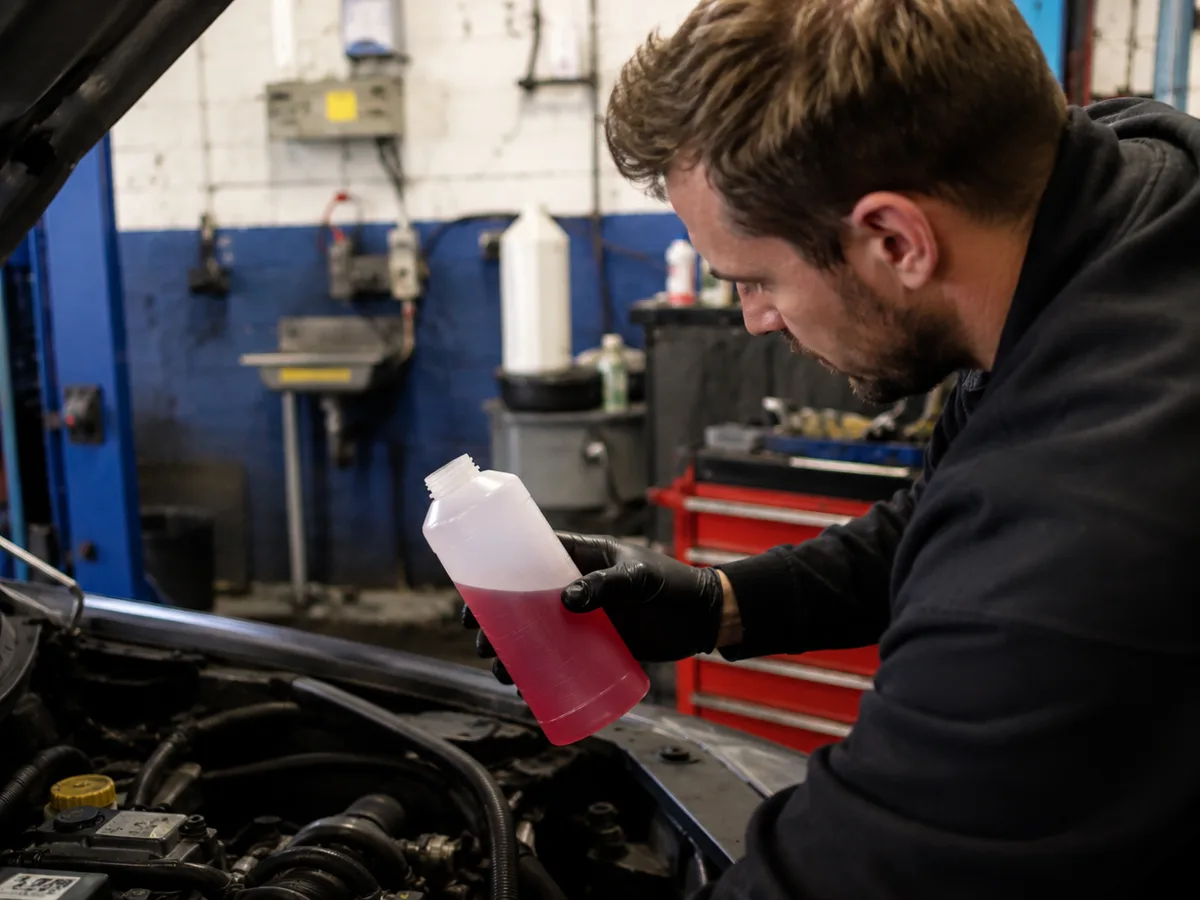
How to Check Car Fluids: Oil, Coolant, Brake Fluid and Screenwash
Checking your car fluids is one of the easiest ways to avoid breakdowns, expensive repairs and embarrassing moments at the roadside while pretending you “thought that warning light was optional”.
Your car depends on several fluids to run safely. Engine oil protects the engine, coolant controls temperature, brake fluid helps the brakes work, screenwash keeps your view clear and some cars also have power steering fluid, transmission fluid, clutch fluid or AdBlue.
The good news is that many basic fluid checks are simple. You do not need to be a mechanic. You do need the correct fluid, a level surface, a cold engine for certain checks and the good sense not to unscrew a hot coolant cap like you are opening a bottle of lemonade.
Quick Answer: How Do You Check Car Fluids?
To check car fluids, park on level ground, switch off the engine and let it cool where needed. Check engine oil using the dipstick or dashboard display, coolant in the expansion tank, brake fluid in the marked reservoir and screenwash in the washer bottle. Some cars also have power steering, clutch, transmission or AdBlue checks. Always use the correct fluid from your vehicle handbook.
Useful source: GOV.UK vehicle safety checks
How to Check Car Fluids in 5 Steps
Step 1: Park on Level Ground and Switch Off the Engine
Always check fluids on flat ground with the engine off and the key removed. Let the engine cool before checking coolant, since a hot cooling system can be pressurised.
Step 2: Check Engine Oil With the Dipstick or Dashboard Display
Pull out the dipstick, wipe it clean, reinsert it fully, then pull it out again. The oil should sit between the minimum and maximum marks. Some newer cars show oil level electronically on the dashboard instead.
Step 3: Check Coolant in the Expansion Tank
With the engine cold, look at the coolant level through the side of the expansion tank. It should sit between the minimum and maximum marks. Never open the cap when the engine is hot.
Step 4: Check Brake Fluid in the Marked Reservoir
Find the brake fluid reservoir, usually near the back of the engine bay on the driver’s side, and check the level against the minimum and maximum marks without opening the cap unnecessarily.
Step 5: Top Up Screenwash and Any Other Relevant Fluids
Top up the screenwash bottle with a proper screenwash mix. If your car has power steering fluid, clutch fluid, transmission fluid or AdBlue, check these too, using only the correct fluid specified in your handbook.
Which Car Fluids Should You Check?
Most petrol, diesel and hybrid cars have several fluids under the bonnet or elsewhere in the vehicle.
| Fluid | What It Does | Can You Usually Check It Yourself? |
|---|---|---|
| Engine oil | Lubricates and protects the engine | Yes |
| Coolant / antifreeze | Helps control engine temperature | Yes, when cold |
| Brake fluid | Transfers braking force through the hydraulic system | Yes, visually |
| Screenwash | Cleans the windscreen and rear window | Yes |
| Power steering fluid | Helps hydraulic steering systems | Some cars |
| Clutch fluid | Helps hydraulic clutch operation | Some cars |
| Transmission fluid | Lubricates gearbox or automatic transmission | Sometimes, often garage-only |
| AdBlue | Reduces emissions on many diesel cars | Yes, if fitted |
| EV coolant | Cools battery, motor or electronics | Usually garage-only apart from visual checks |
Not every car has every fluid. Many modern cars have electric power steering, sealed gearboxes and electronic oil level displays. The handbook is your friend here. Annoying, yes, but useful.
Before You Check Any Car Fluids
Before opening the bonnet and poking around, do this:
- Park on level ground.
- Switch off the engine.
- Remove the key or make sure the car is powered down.
- Let the engine cool before checking coolant.
- Keep loose clothing away from moving parts.
- Avoid touching hot engine components.
- Use gloves if possible.
- Have a clean cloth or paper towel ready.
- Check the handbook for the correct fluid types.
- Do not mix fluids unless the handbook allows it.
Never rely only on colour, bottle shape or guesswork. Cars are very good at punishing guesswork.
How to Check Engine Oil
Engine oil is one of the most important fluids in your car.
It helps:
- Lubricate moving parts
- Reduce friction
- Control temperature
- Protect internal engine components
- Reduce wear
- Keep the engine running smoothly
Low oil can cause serious engine damage. Too much oil can also cause problems.
How to check engine oil with a dipstick
- Park on level ground.
- Switch off the engine.
- Wait a few minutes for the oil to settle.
- Pull out the dipstick.
- Wipe it clean.
- Push it fully back in.
- Pull it out again.
- Check the oil level against the minimum and maximum marks.
The oil should sit between the minimum and maximum marks.
If it is low, top up slowly with the correct oil. Add a small amount, wait, then recheck. Do not pour in a full bottle unless you are certain it needs that much.
Useful source: RAC oil checking advice
For a more detailed step-by-step article, see our guide on how to check oil level in a car.
What Should Engine Oil Look Like?
Engine oil can be golden, brown or dark brown. Diesel engine oil can turn black quite quickly, which is not always a problem.
Warning signs include:
- Milky oil
- Thick sludge
- Gritty oil
- Metallic particles
- Strong burnt smell
- Oil level rising unexpectedly
- Oil level dropping repeatedly
Milky oil may suggest coolant contamination, especially if combined with coolant loss or overheating. Get the car checked if you see this.
How to Check Coolant
Coolant, also called antifreeze, helps stop the engine overheating in summer and freezing in winter.
Most cars have a coolant expansion tank under the bonnet. It is usually a plastic reservoir with minimum and maximum markings.
How to check coolant level
- Make sure the engine is cold.
- Park on level ground.
- Find the coolant expansion tank.
- Look at the fluid level through the side of the tank.
- The level should sit between the minimum and maximum marks.
- Top up only with the correct coolant if needed.
Never open the coolant cap when the engine is hot. The system can be pressurised, and hot coolant can spray out. That is not a maintenance task. That is a trip to A&E wearing an expression of regret.
RAC advises checking coolant when the engine is cold and using the correct coolant and mix from the handbook.
Useful source: RAC regular car checks
For a dedicated coolant guide, see what coolant does my car need?
What If Coolant Keeps Dropping?
Coolant is usually part of a sealed system, so it should not need frequent topping up.
If the level keeps dropping, there may be a problem such as:
- Coolant leak
- Damaged radiator
- Split hose
- Loose hose clip
- Faulty expansion tank cap
- Water pump leak
- Heater matrix leak
- Head gasket issue
Warning signs include:
- Temperature gauge rising
- Steam from the engine bay
- Sweet smell inside or outside the car
- Wet carpets
- White exhaust smoke
- Coolant warning light
- Milky engine oil
Do not keep topping it up and hoping for the best. Coolant loss can lead to overheating, and overheating can make an engine very expensive very quickly.
How to Check Brake Fluid
Brake fluid is critical. It allows force from the brake pedal to operate the braking system.
Most cars have a brake fluid reservoir under the bonnet, usually near the back of the engine bay on the driver’s side.
How to check brake fluid level
- Park on level ground.
- Switch off the engine.
- Find the brake fluid reservoir.
- Check the level against the minimum and maximum marks.
- Do not open the cap unless you need to and know what you are doing.
- Use only the correct brake fluid specification if topping up.
Brake fluid specifications may include DOT 3, DOT 4, DOT 4 LV or DOT 5.1, depending on the vehicle. Do not guess.
Brake fluid can damage paintwork, so handle it carefully. If it gets on paint, rinse it off quickly.
Useful source: RAC regular car checks
What If Brake Fluid Is Low?
Low brake fluid can be serious.
It may be caused by:
- Normal brake pad wear
- A leak in the braking system
- Worn brake components
- Incorrect previous servicing
- A faulty reservoir cap
- A hydraulic issue
If the brake fluid level is below minimum, do not ignore it. Brakes are not an area for optimism.
Warning signs include:
- Brake warning light
- Spongy brake pedal
- Pedal sinking further than normal
- Longer stopping distances
- Brake fluid under the car
- Pulling to one side when braking
If you suspect a brake fluid leak or the brake pedal feels wrong, do not drive the car. Get professional help.
How to Check Screenwash
Screenwash is the easiest fluid to check and top up.
It cleans your windscreen and rear window, helping you see clearly. That matters in winter salt, summer insects, muddy roads and motorway spray.
How to check screenwash
- Find the screenwash filler cap under the bonnet.
- It usually has a windscreen or spray symbol.
- Open the cap.
- Top up with ready-mixed screenwash or screenwash concentrate mixed correctly.
- Refit the cap.
Do not use plain water only, especially in winter. It can freeze and may not clean properly.
RAC says screenwash is important all year round because winter snow and grit dirty the windscreen, while summer bugs and pollen can smear your view.
Useful source: RAC regular car checks
For a related read, see how to stop car windows fogging up.
How to Check Power Steering Fluid
Not all cars have power steering fluid. Many modern cars use electric power steering, which does not have a hydraulic fluid reservoir.
If your car has hydraulic power steering, the reservoir is usually under the bonnet and may be marked with a steering wheel symbol or “power steering”.
How to check power steering fluid
- Park on level ground.
- Switch off the engine.
- Find the power steering fluid reservoir.
- Check the level against the min and max markings.
- Use the correct fluid if topping up.
- Do not overfill.
Low power steering fluid may cause:
- Heavy steering
- Whining noises when turning
- Jerky steering assistance
- Fluid leaks
- Steering warning light on some cars
If the level is low, there may be a leak. Power steering fluid should not disappear for fun.
How to Check Clutch Fluid
Some manual cars use hydraulic clutch fluid.
In many vehicles, the clutch shares the same fluid reservoir as the brakes. In others, it may have a separate reservoir.
Low clutch fluid can cause:
- Difficulty changing gear
- Soft or spongy clutch pedal
- Clutch pedal sticking down
- Fluid leaks
- Gear selection problems
Because clutch fluid may be linked to the brake system, use caution. If the level is low or there is a leak, get the car checked.
Do not pour random fluid into the brake or clutch reservoir. That is how small maintenance jobs become large invoices.
How to Check Transmission Fluid
Transmission fluid lubricates the gearbox or automatic transmission.
This is where things become more vehicle-specific.
Some cars have a dipstick for automatic transmission fluid. Many modern cars do not. Some gearboxes are described as sealed for life, although fluid changes may still be recommended in certain service schedules or by specialists.
If your car has a transmission dipstick
- Check the handbook for the correct procedure.
- Some cars need to be checked warm.
- Some need the engine running.
- Some require moving through gear positions.
- Check the level and condition as instructed.
Transmission fluid can be red, amber or darker depending on type and age, but colour alone is not enough.
Warning signs of gearbox fluid problems include:
- Jerky gear changes
- Slipping gears
- Delayed engagement
- Whining noises
- Burning smell
- Fluid leaks
- Gearbox warning light
If unsure, use a garage. Gearboxes are expensive, and they do not appreciate experimental fluid work.
How to Check AdBlue
Many modern diesel cars use AdBlue to reduce emissions.
AdBlue is stored in a separate tank and is not the same as fuel, oil or coolant. It is usually topped up through a filler near the fuel filler, in the boot or under the bonnet, depending on the car.
Your dashboard will usually warn you when AdBlue is low.
How to top up AdBlue
- Check the handbook for the filler location.
- Use proper AdBlue fluid.
- Do not put AdBlue into the diesel tank.
- Do not put diesel into the AdBlue tank.
- Avoid spills and clean them up.
- Refit the cap securely.
If AdBlue runs too low, many cars will warn you and may eventually refuse to restart once switched off.
Putting AdBlue in the wrong tank is a very expensive mistake. It is also the sort of mistake that makes mechanics go quiet before giving you the bill.
Do Electric Cars Have Fluids?
Yes, but fewer routine fluid checks.
Electric cars do not have engine oil in the traditional sense, but they may still have:
- Brake fluid
- Screenwash
- Coolant for battery or electronics
- Reduction gear oil
- Air conditioning refrigerant
For most EVs, driver checks are usually limited to screenwash, tyres, lights and sometimes visual coolant or brake fluid level checks. Battery cooling systems and high-voltage components should be handled by trained technicians.
Never touch orange high-voltage cables or components. They are not there for decoration.
How Often Should You Check Car Fluids?
Your handbook is the main source, but as a practical routine:
| Fluid | Suggested Check |
|---|---|
| Engine oil | Every few weeks and before long journeys |
| Coolant | Before long journeys and if warning lights appear |
| Brake fluid | Regularly and before long journeys |
| Screenwash | Often, especially in winter |
| Power steering fluid | If fitted, during routine checks |
| Transmission fluid | As per handbook or service schedule |
| AdBlue | When dashboard warning appears or before long trips |
| EV coolant | As per manufacturer guidance |
RAC recommends spending a few minutes checking the car every few weeks and certainly before a long journey or MOT.
Useful source: RAC regular car checks
What Fluid Colours Mean
Fluid colour can give clues, but it is not a perfect diagnosis.
| Fluid | Common Colour | Warning Signs |
|---|---|---|
| Engine oil | Gold, brown or black | Milky, gritty, burnt-smelling |
| Coolant | Pink, blue, green, orange or yellow | Rusty, oily, sludgy, cloudy |
| Brake fluid | Clear to amber | Dark, dirty or below minimum |
| Screenwash | Blue, pink, green or clear | Empty or frozen |
| Power steering fluid | Red, amber or clear depending on type | Dark, burnt-smelling or leaking |
| Transmission fluid | Red, amber or darker depending on type | Burnt smell, metal particles |
| AdBlue | Clear | Contaminated or put in wrong tank |
Do not choose coolant or brake fluid purely by colour. The specification matters more.
How to Spot Fluid Leaks
Check under the car after it has been parked.
Possible signs:
- Brown or black oil spots
- Bright coolant stains
- Clear water from air conditioning
- Red or amber steering or transmission fluid
- Fuel smell
- Wet patches near wheels
- Fluid on undertrays
- Drips from hoses or pipes
Clear water under the car after using air conditioning is often normal condensation. A strong fuel smell, brake fluid leak or major oil/coolant leak is not normal.
If you are buying a used car, look under it before and after the test drive. Freshly cleaned engine bays can hide leaks, but the driveway often tells the truth.
Before buying a used car, use the MOTChecker.com vehicle health check to review MOT history, mileage records and previous defects.
Can Fluid Leaks Affect an MOT?
Yes, depending on the leak.
An MOT is not a full service, but testers do check for certain leaks and safety issues. Serious fluid leaks can lead to MOT problems, especially if they present a road safety or environmental risk.
The MOT manual also says a diesel smoke test should not be carried out if there is insufficient oil, low oil pressure or abnormal engine noise.
Useful source: MOT inspection manual: emissions and engine condition
This is another reminder that checking fluids before an MOT is sensible. It does not guarantee a pass, but it can stop basic neglect from becoming a failed test or refused emissions check. Not sure when your MOT is due? Check your MOT history for free before you book a test.
What If a Warning Light Comes On?
Do not ignore fluid-related warning lights.
Common warning lights include:
- Oil pressure warning
- Oil level warning
- Coolant temperature warning
- Brake fluid warning
- AdBlue warning
- Power steering warning
- Transmission warning
Some warning lights mean “book a service soon”. Others mean “stop before the engine becomes a paperweight”.
As a general rule:
- Red warning light: stop safely and check the handbook.
- Amber warning light: investigate as soon as possible.
- Flashing warning light: treat as urgent.
If the oil pressure, coolant temperature or brake warning light appears, take it seriously.
Should You Top Up or Go to a Garage?
Some fluids are easy to top up yourself. Others need caution.
| Fluid | DIY Top-Up? | Notes |
|---|---|---|
| Screenwash | Yes | Use proper screenwash |
| Engine oil | Yes | Use correct oil and avoid overfilling |
| Coolant | Sometimes | Only when cold, use correct coolant |
| Brake fluid | Be careful | Low level may mean a leak or brake wear |
| Power steering fluid | Sometimes | Low level may mean a leak |
| Transmission fluid | Often garage-only | Procedure varies by vehicle |
| AdBlue | Yes | Use correct filler; do not contaminate tanks |
| EV battery coolant | Usually no | Use trained technician |
Screenwash is simple. Brake fluid and transmission fluid deserve more respect. Anything involving high-voltage EV systems should be left alone unless the handbook says otherwise.
Wondering how much is a car service? A proper service usually covers all of these fluid checks along with filters and wear items.
Common Mistakes to Avoid
Avoid these:
- Opening the coolant cap when hot
- Using the wrong engine oil
- Overfilling engine oil
- Mixing coolant types incorrectly
- Putting water-only screenwash in winter
- Ignoring low brake fluid
- Pouring fluid into the wrong reservoir
- Topping up repeatedly without finding the leak
- Assuming all red fluids are the same
- Confusing engine air filter and cabin filter issues with fluids — see our guide on how to change a car air filter
- Treating an MOT like a service
- Ignoring warning lights
- Touching EV high-voltage components
Most fluid checks are simple. Most fluid mistakes are avoidable. The trick is not to rush.
Basic Fluid Check Routine Before a Long Journey
Before a long drive, check:
- Engine oil level.
- Coolant level.
- Brake fluid level.
- Screenwash level.
- Tyre pressures and tread.
- Lights.
- Wipers.
- Warning lights.
- Fuel or charge level.
- AdBlue level if fitted.
This takes a few minutes and can prevent a very long afternoon on the hard shoulder explaining to a breakdown patrol that “it only came on yesterday”. While you are at it, it is also worth checking your car battery and confirming when your MOT is due so nothing catches you out mid-trip.
FAQs
What car fluids should I check regularly?
You should regularly check engine oil, coolant, brake fluid and screenwash. Depending on your car, you may also need to check power steering fluid, clutch fluid, transmission fluid or AdBlue.
How do I check engine oil?
Park on level ground, switch off the engine, wait a few minutes, pull out the dipstick, wipe it clean, reinsert it fully and pull it out again. The oil should sit between the minimum and maximum marks.
Should I check coolant when the engine is hot or cold?
Check coolant when the engine is cold. Do not open the coolant cap when the engine is hot because the system can be pressurised and hot coolant can spray out.
What happens if brake fluid is low?
Low brake fluid may indicate brake wear or a leak. If the brake warning light is on, the pedal feels soft or the fluid is below minimum, get the car checked before driving.
Can I use water instead of screenwash?
Plain water is not ideal, especially in winter because it can freeze and does not clean as effectively. Use proper screenwash or a correctly mixed screenwash concentrate.
Can I mix different coolant colours?
Do not rely on colour alone. Different coolant types can be incompatible even if they look similar. Use the coolant specification recommended in your vehicle handbook.
What does milky engine oil mean?
Milky oil can sometimes suggest coolant mixing with oil, which may point to a serious issue such as head gasket failure. If you see milky oil on the dipstick, coolant loss or overheating, get the car inspected.
Do electric cars need fluid checks?
Yes, but fewer than petrol or diesel cars. EVs still need screenwash and brake fluid checks, and some have coolant systems for batteries or electronics. High-voltage components should only be handled by trained technicians.
Can low oil affect an MOT?
For diesel vehicles, the MOT smoke test should not be carried out if there is insufficient oil, low oil pressure or abnormal engine noise. Serious leaks can also cause MOT issues.
How often should I check car fluids?
Check fluids every few weeks and before long journeys. Your vehicle handbook gives the correct schedule for your specific car.
Conclusion
Checking car fluids is simple, useful and far cheaper than waiting for warning lights to do the job for you. Engine oil, coolant, brake fluid and screenwash are the main ones most drivers should understand. Depending on your car, power steering fluid, transmission fluid, clutch fluid and AdBlue may also matter.
The golden rules are simple: park level, check the handbook, use the correct fluid, do not overfill, never open hot coolant and do not ignore leaks or warning lights. A few minutes under the bonnet can save you from breakdowns, repair bills and the deeply unpleasant sound of an engine asking why you neglected it.
Want to know if fluid leaks or other defects have shown up on a vehicle’s history? Check its MOT history for free before you buy or before your next test.